

- Messages
- 46,463
- Reaction score
- 7,796
- Points
- 288
On 29 October 1969, two scientists established a connection between computers some 350 miles away and started typing a message. Halfway through, it crashed. They sat down with the BBC 55 years later.
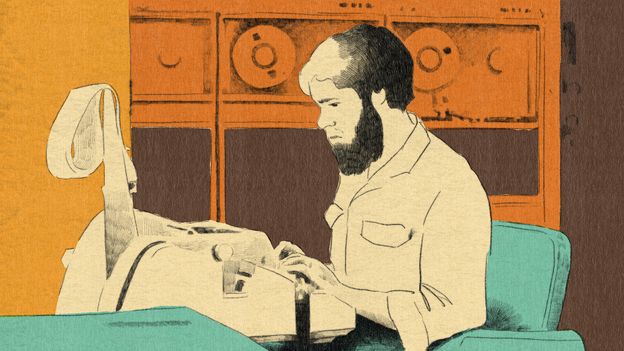
At the height of the Cold War, Charley Kline and Bill Duvall were two bright-eyed engineers on the front lines of one of technology's most ambitious experiments. Kline, a 21-year-old graduate student at the University of California, Los Angeles (UCLA), and Duvall, a 29-year-old systems programmer at Stanford Research Institute (SRI), were working on a system called Arpanet, short for the Advanced Research Projects Agency Network. Funded by the US Department of Defense, the project aimed to create a network that could directly share data without relying on telephone lines. Instead, this system used a method of data delivery called "packet switching" that would later form the basis for the modern internet.
 www.bbc.com
At the height of the Cold War, Charley Kline and Bill Duvall were two bright-eyed engineers on the front lines of one of technology's most ambitious experiments. Kline, a 21-year-old graduate student at the University of California, Los Angeles (UCLA), and Duvall, a 29-year-old systems programmer at Stanford Research Institute (SRI), were working on a system called Arpanet, short for the Advanced Research Projects Agency Network. Funded by the US Department of Defense, the project aimed to create a network that could directly share data without relying on telephone lines. Instead, this system used a method of data delivery called "packet switching" that would later form the basis for the modern internet.
'We were just trying to get it to work': The failure that started the internet
On 29 October 1969, two scientists established a connection between computers some 350 miles away and started typing a message. Halfway through, it crashed.
www.bbc.com
