Welcome to the Precious Metals Bug Forums

Welcome to the PMBug forums - a watering hole for folks interested in gold, silver, precious metals, sound money, investing, market and economic news, central bank monetary policies, politics and more.

Why not register an account and join the discussions? When you register an account and log in, you may enjoy additional benefits including no Google ads, market data/charts, access to trade/barter with the community and much more. Registering an account is free - you have nothing to lose!


Iran war's shock waves threaten England's farms 6,000 miles away​

GREAT HORKESLEY, England — Few places feel farther from the Iran war than the potato fields of eastern England, where pastoral landscapes and ancient forests have inspired romantic painters and poets for centuries.

But this bucolic scene is not immune from the shock waves triggered by the American-Israeli assault — and it’s a story being repeated across farms all over the world.

Though much attention has been devoted to the oil shock brought on by the conflict, there is another, perhaps equally alarming crisis emerging for the global population: a looming shortage of fertilizer, which could trigger widespread food shortages.

Jumping down from his bright-green, 400-horsepower tractor, Stuart Josselyn wastes no time giving his view on geopolitics while standing on the plowed earth.

“Trumpy,” he said, using a nickname for the American president delivered with the elongated vowels of an East Anglian accent, “he is causing real problems for real people throughout the whole world.”

More:

https://www.msn.com/en-us/news/worl...6-000-miles-away/ar-AA20fkrv?ocid=socialshare
 

How & Why Your Grocery Bill will be Affected by the coming Food Shock​

Apr 5, 2026
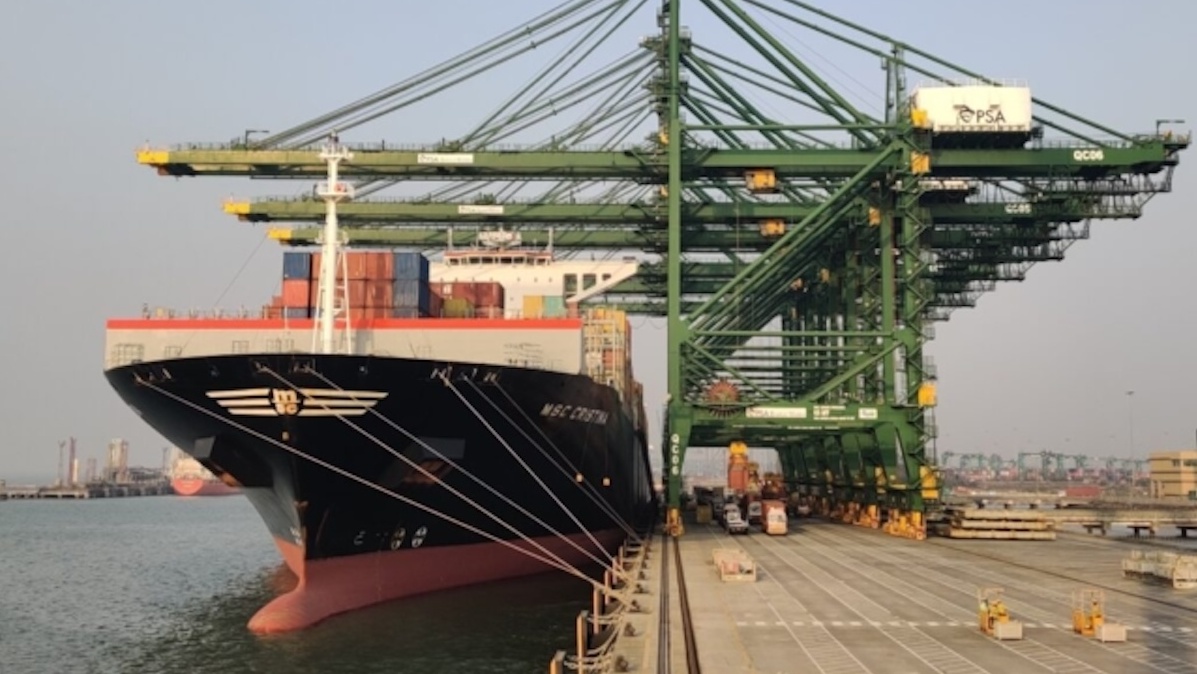
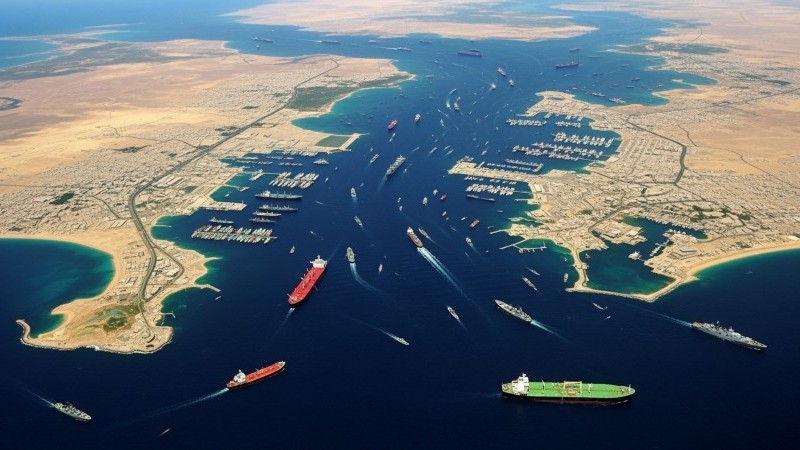
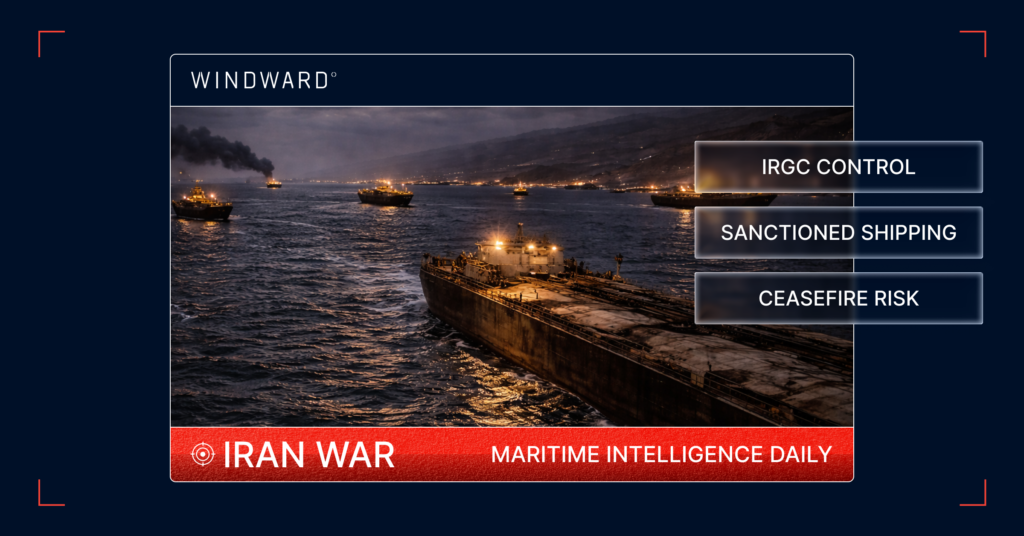
The ships that last safely transited the Strait of Hormuz before its closure on March 4, 2026 are arriving at their destinations this weekend. This presentation, built from JP Morgan, EIA, IEA, and UN data, walks through exactly what that means — what's on those ships, who depends on them, and what happens to fuel, food, fertilizer, and industrial supply chains when the pipeline runs dry.
We cover the impact region by region and then look two scenarios forward: what happens to food prices if crops aren't planted due to energy shortages, and what happens if they are planted but fertilizer delays slash yields by 20-40%. Drawing on lessons from the 2008 and 2010-11 food crises, the data paints a sobering picture.
Even if the Strait reopens today, the disruption is already locked in for the next 4-6 weeks minimum — and the agricultural consequences could echo for 6-12 months beyond that.
All this and more on this week's episode of Milkshakes, Markets, and Madness...


21:12
 
Back
Top Bottom