


A federal court has sided with Roland Edger, an Alabama man who says he was wrongfully arrested after he declined to give police officers his driver's license in 2019. While a lower court had granted qualified immunity to the officers, the U.S. Court of Appeals for the 11th Circuit overturned that decision, ruling that the officers clearly violated Edger's Fourth Amendment rights and that Edger's suit against them may go forward.
...
"The Alabama statute is clear. It lists only three things that the police may ask about," wrote Judge Charles R. Wilson in the court's unanimous opinion. "This is not an issue of 'magic words' that must be uttered. There is a difference between asking for specific information: 'What is your name? Where do you live?' and demanding a physical license or ID. The information contained in a driver's license goes beyond the information required to be revealed under" Alabama state law.
While Alabama police can require individuals to identify themselves in some circumstances, they're not entitled to get a formal ID card, and they're not entitled to get answers beyond the narrow questions the law requires.
"It has been clearly established for decades prior to Mr. Edger's arrest that the police are free to ask questions, and the public is free to ignore them," wrote Wilson. "Any legal obligation to speak to the police and answer their questions arises as a matter of state law."
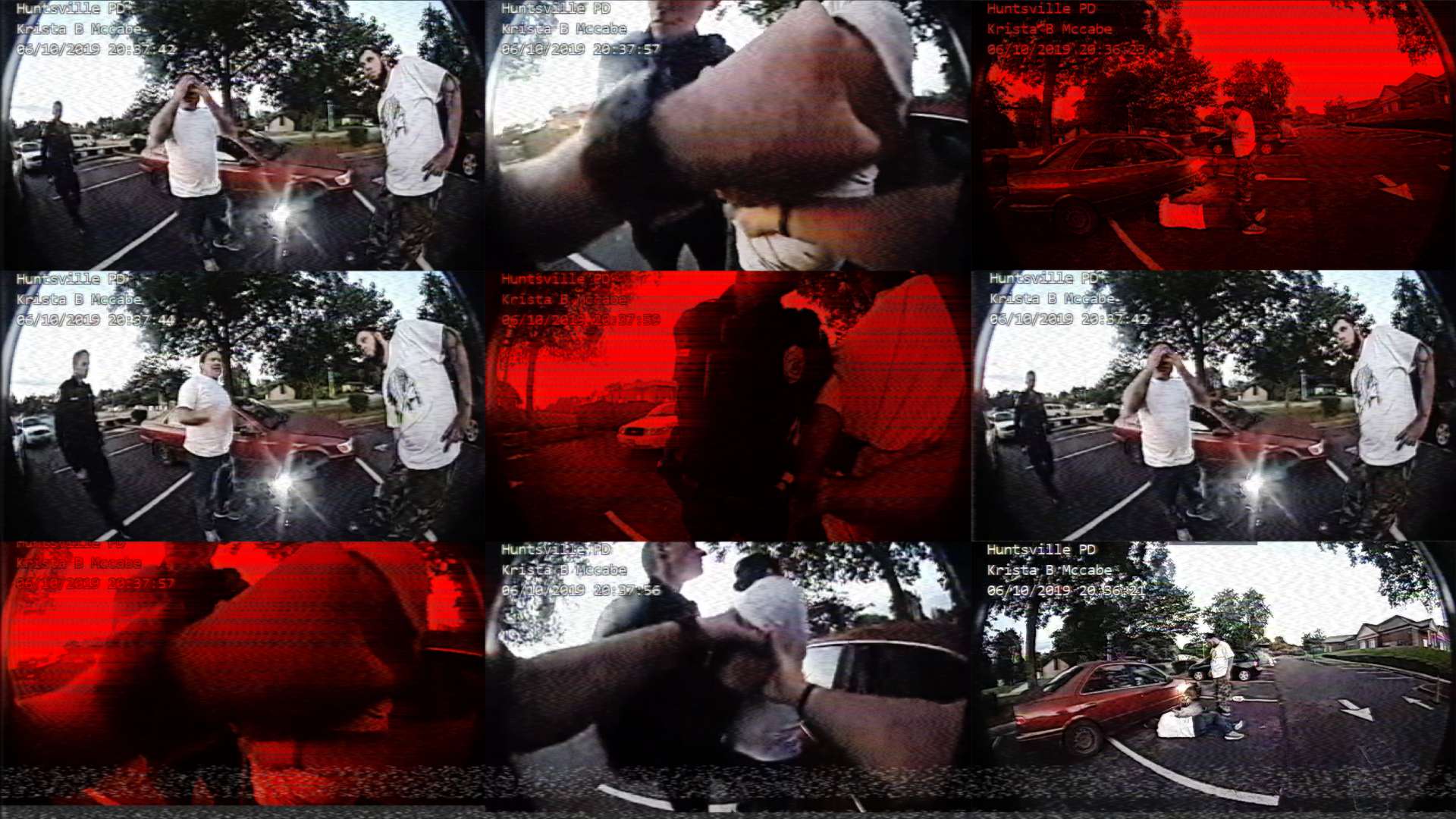
Alabama cops who arrested mechanic for not giving them his ID denied qualified immunity
"The police are free to ask questions, and the public is free to ignore them," wrote a federal judge.
 reason.com
The ruling: