Gold nano particles used in cancer remedy

Welcome to the Precious Metals Bug Forums

Welcome to the PMBug forums - a community supported watering hole for folks interested in gold, silver, precious metals, sound money, investing, market and economic news, central bank monetary policies, politics and more.

Register a free account to join the discussions. When you register an account and log in, you may enjoy additional benefits including access to market data/charts and additional members only rooms (including one for trade/barter with the community).

pmbug

Your Host
Administrator
Benefactor
Messages
21,892
Reaction score
9,274
Points
268
Location
Texas
United-States
Saw this highlighted on KWN this morning. Did a quick search and found the source material. It was published in October 2013!

... Cornell scientists have merged tiny gold and iron oxide particles to work as a team, then added antibody guides to steer the team through the bloodstream toward colorectal cancer cells. And in a nanosecond, the alloyed allies then kill the bad guys – cancer cells – with absorbed infrared heat.
...

More: http://www.news.cornell.edu/stories/2013/10/gold-plated-nano-bits-find-destroy-cancer-cells
 
* bump *

If left to their own devices, bacteria on our teeth or wounded skin can encase themselves in a slimy scaffolding, turning into what is called biofilm. These bacteria wreak havoc on our tissue and, being shielded from antibiotic medication by the slime, are difficult to dislodge. A new strategy may offer a simple way to break up the muck and destroy the bacteria.

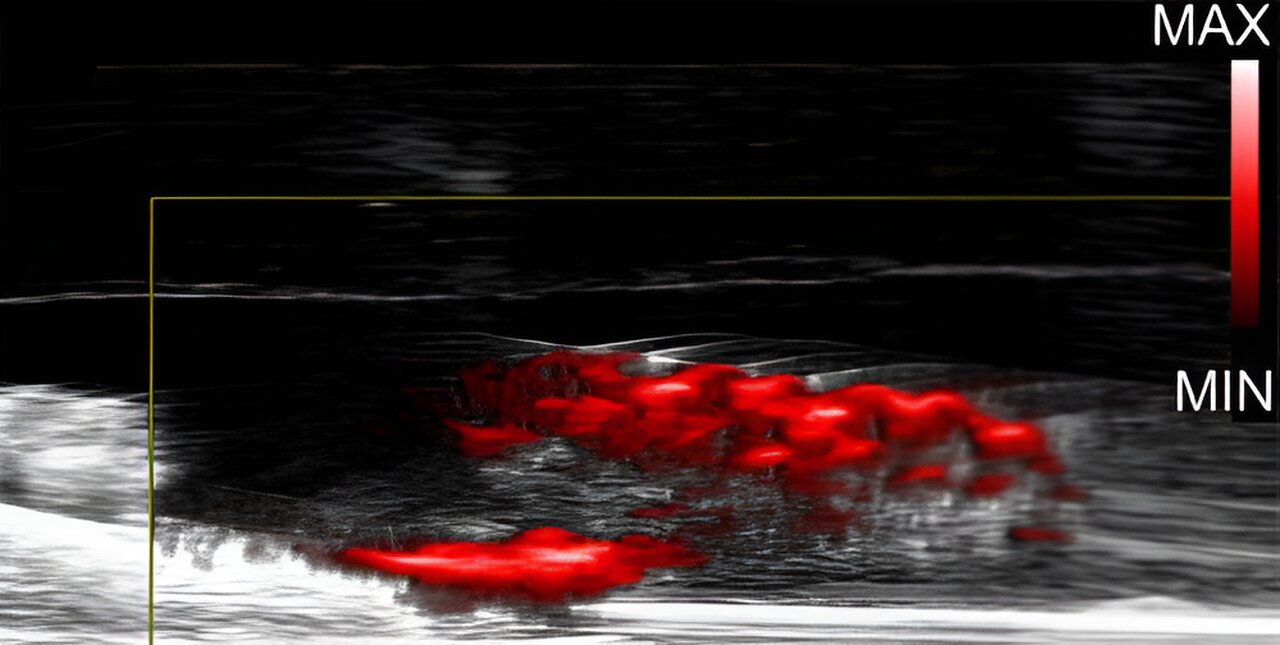
Researchers at the University of Pennsylvania and Stanford University have developed sugar-coated gold nanoparticles that they used to both image and destroy biofilms. In a study published in the Journal of Clinical Investigation, the authors demonstrated the diagnostic and therapeutic potential of the nanoparticles on the teeth and wounded skin of rats and mice, eliminating the biofilms in as little as one minute and outperforming common antimicrobials.

"With this platform, you can bust biofilms without surgically debriding infections, which can be necessary when using antibiotics. Plus, this method could treat patients if they are allergic to antibiotics or are infected by strains that are resistant to medication," said Luisa Russell, Ph.D., a program director in the Division of Discovery Science & Technology at NIBIB. "The fact that this method is antibiotic-free is a huge strength."
...
Gold is nontoxic and readily converts energy from light sources into heat, making it a prime candidate for photothermal therapy, a strategy that utilizes the heat from nanoparticles to kill nearby pathogens. In addition to generating heat, the nanoparticles emit detectable ultrasound waves in response to light, meaning that gold particles can be visualized using a technique called photoacoustic imaging.

In the new study, the authors encapsulated gold spheres within larger golden cage-shaped nanoparticles to optimize their response to light for both therapeutic and imaging purposes. To make the particles appealing to bacteria, they coated them in dextran, a carbohydrate that is a common building block of biofilms.
...

More:


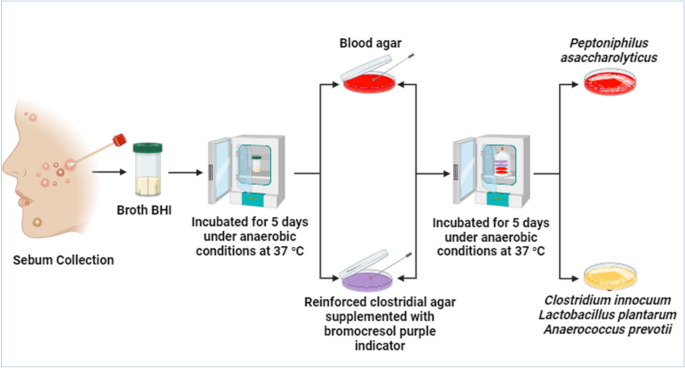
Antibacterial and hemocompatibility potentials of nano-gold-cored alginate preparation against anaerobic bacteria from acne vulgaris​

Abstract​

Acne is a prevalent dermatological disease, with high global incidence, and is a health menace. The current study aimed to isolate and characterize the anaerobic bacteria responsible for the condition. Causes of a total of 70 acne-based bacterium isolates obtained from patients of mild, moderate, and severe acne, 24 were Clostridium innocuum, 21 were Lactobacillus plantarum, 13 were Anaerococcus prevotii, and 12 were Peptoniphilus asaccharolyticus. Nearly 69% of males were suffering, while the rest were females at 31%. The 15–30 years old age group was the most affected. The gold/alginate nanoparticles’ nanopreparation (GANPs) produced from chloroauric acid and sodium alginate was an effective treatment against the acne conditions under the experimental conditions. The nanopreparation exhibited significant inhibitory activity against anaerobic bacterial isolates, with a minimum inhibitory concentration of 200 µg/ml for A. prevotii and P. asaccharolyticus, and 400 µg/ml for C. innocuum and L. plantarum. The in vitro efficacy of the GANPs on human blood parameters was also assessed. The concurrent results suggested potential antibacterial activity and hemocompatibility of the product, which has promise to be used as a successful antibacterial agent for acne.

More:

 
Acne can largely be eliminated with diet. Avoid hydrogenated oils.
 
You can always suck on a 1/10th oz AGE like a cough drop?
 

Swiss Researchers Use Gold to Pinpoint the Location of Cancer Cells​

I once heard some knucklehead on a mainstream financial news network claim that gold is “a useless rock.”

Well, Swiss researchers have discovered how to use that useless rock to precisely detect the location of cancer cells.

Scientists at the Swiss Nanoscience Institute (SNI) Network based at the University of Basel have developed a “surface-modification strategy” for gold nanoparticles. The resulting nanoparticles, or “nanotags,” generate a measurable optical signal that pinpoints cancer cells, opening the door for “more precise cancer detection and future surgical applications.”

Read the rest:

 
^

Nanotags for more precise cancer surgery and diagnostics: Gold nanoparticles with optimized coatings to target ovarian cancer cells​

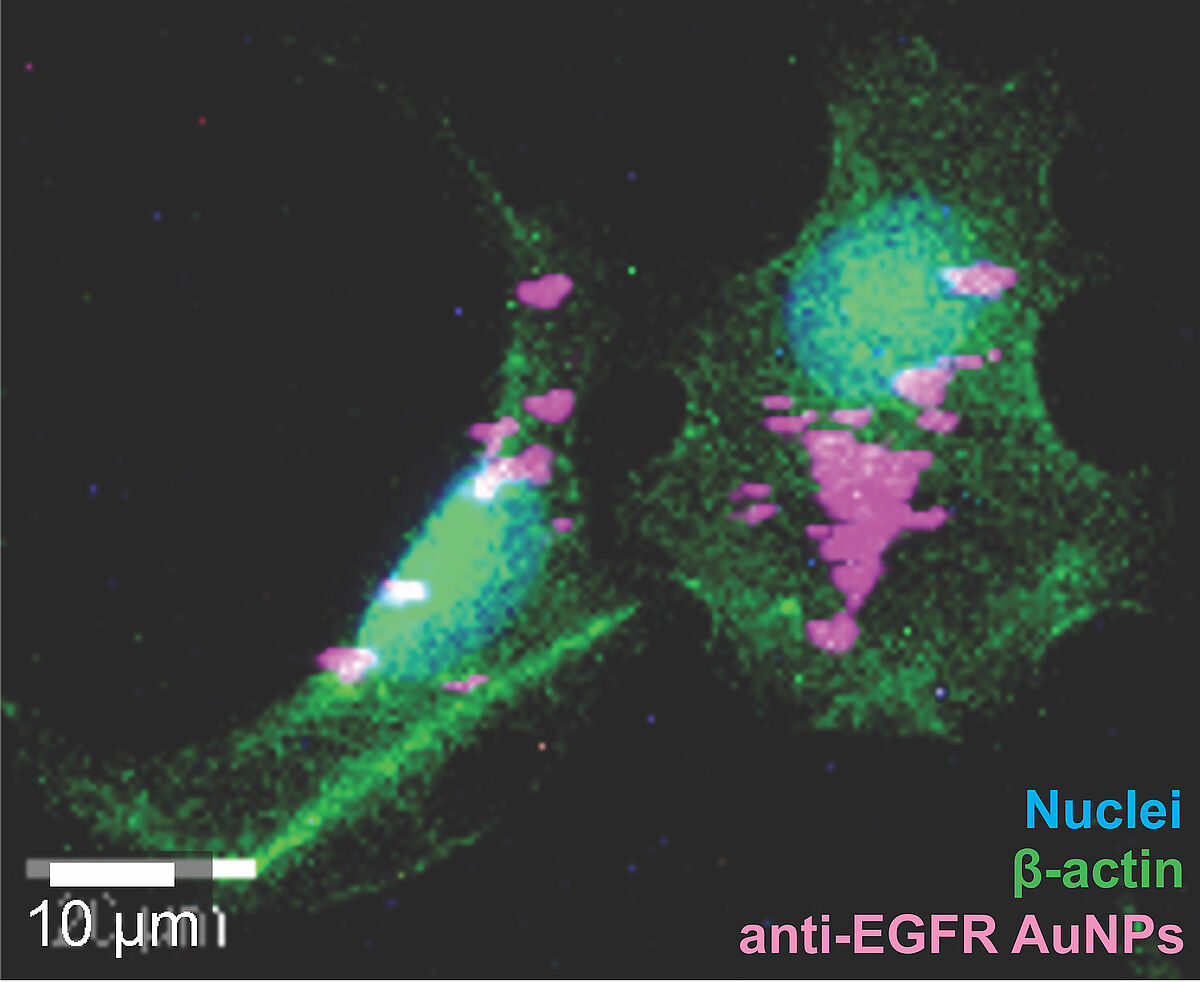
Researchers from the SNI Network have developed a straightforward surface-modification strategy for gold nanoparticles used in Surface-Enhanced Raman Scattering (SERS). The resulting nanoparticles, so called nanotags, can specifically recognize cancer cells and generate a measurable optical signal, offering potential for more precise cancer detection and future surgical applications. In a recently published study in the scientific journal Materials Today Bio, the researchers report a two-step coating strategy using two polyethylene glycol (PEG) conjugates carrying either a Raman reporter or an antibody. This carefully balanced coating enables the nanotags to recognize cancer cells expressing a specific biomarker while maintaining a stable SERS signal.

In SERS imaging, a laser is directed onto the nanotags after they have specifically bound to cancer cells. The gold nanoparticles strongly enhance the Raman signals of molecules located near their surface. This creates a characteristic optical fingerprint that can be detected with a Raman microscope and potentially be used to identify specific cells or tissues.

More:

 
Back
Top Bottom