


...
Writing in Science, Chiang and a team of researchers unveiled a new method to extract lithium from hard rock at room temperature. The process cuts conventional costs in half. It virtually eliminates mining waste. Most importantly, it completely reshapes the geopolitics of critical minerals.
The U.S., Europe, and Australia have vast amounts of lithium trapped inside a rock mineral called spodumene. Yet, China refines the vast majority of it.
...
Standard refining is a brute-force process. Rocks must be roasted in massive kilns at temperatures exceeding 1,000°C, then subjected to heavy acid treatment. It is energy-intensive, incredibly expensive, and leaves behind mountains of toxic slag. Because Western nations lack the infrastructure or environmental capacity to accommodate this footprint, they ship raw rock straight to China for processing.
The new MIT process changes it by borrowing a page from that hardware store etching cream.
Spodumene rock is essentially made of three things: lithium, aluminum, and silica. Silica bonds are tough; hence, standard mining tries to dissolve everything else first. Chiang’s team used a liquid reagent made of water and ammonium fluoride — the active chemical in glass etchant — to do the exact opposite. They dissolved the silica first.
The results were immediate. The rock dissolved smoothly at room temperature. No extreme heat required.
From there, the team pioneered what they call “nose-to-tail mining.” The entire rock was transformed into high-value commodities through precise separation of dissolved elements. The recipe yields battery-grade lithium salts for electric-vehicle cathodes, smelter-grade alumina for aluminum production, and highly reactive silica perfectly suited for green cement.
...
More:
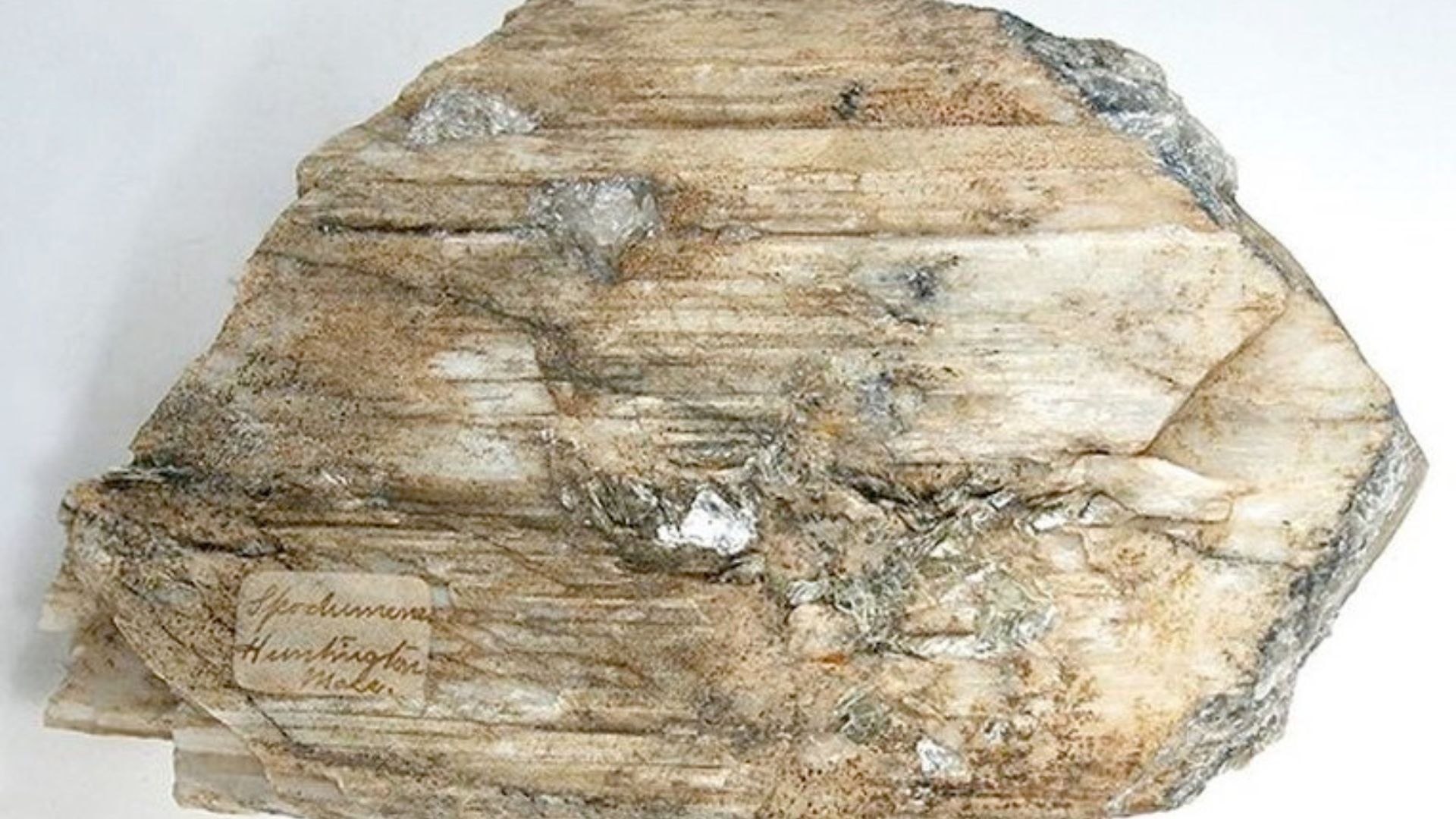
MIT's new method can extract lithium from hard rock at room temperature
MIT and other researchers have developed a low-temperature, closed-loop extraction process that uses a liquid reagent to dissolve the most common lithium-bearing hard rock at room temperature.
 interestingengineering.com
Sounds like a game changer.


