
You are using an out of date browser. It may not display this or other websites correctly.
You should upgrade or use an alternative browser.
You should upgrade or use an alternative browser.
Tracking Trump's Tariffs and Turbulent Trade Talks
- Thread starter searcher
- Start date
Welcome to the Precious Metals Bug Forums
Welcome to the PMBug forums - a community supported watering hole for folks interested in gold, silver, precious metals, sound money, investing, market and economic news, central bank monetary policies, politics and more.
Register a free account to join the discussions. When you register an account and log in, you may enjoy additional benefits including access to market data/charts and additional members only rooms (including one for trade/barter with the community).

- Messages
- 805
- Reaction score
- 684
- Points
- 268
That's fine with me. The EU has both stupidity and wisdom at the same time. If google wants to do business in the EU, and breaks their laws, then pay out. If google leaves the EU without their services, that's fine too. Let EU lay in the nest they made for themselves.
- Trump accused the EU of ”‘ROBBING’ American Companies” through its fines against U.S. tech giants, including a recent $1 billion fine on Google
If the EU (and the US IRS) is unhappy with Apple parking their billions of profits in Ireland, then they should first examine the rules they created, and Apple just followed.
Taxes do not create wealth, and I think the EU spending their time on taxes is really stupid when their actual energy inputs are reaching emergency levels. Germany shut down nuclear power for no god damn reason, and then "some government" bombed the natural gas pipeline from Russia that was important to their economy.
And it seems that most of the EU people do not pay attention to the destruction that their politicians are doing to their countries. If I were Irish, French, or German, I would be outraged about EVIL POLITICIANS were somehow getting into offices of power. And these same evil people are bent on destroying their countries. (I leave out the word "own" before countries because it seems that somehow shitty outsiders are getting elected. How is this possible?!)

- Messages
- 45,388
- Reaction score
- 7,669
- Points
- 288
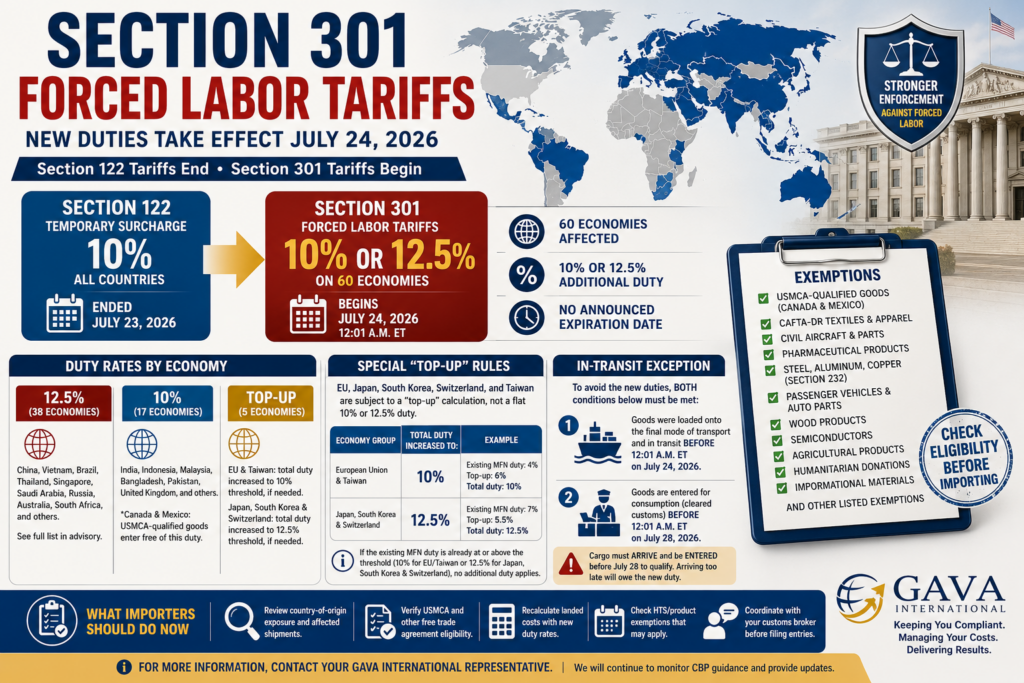
Tariffs, Yet Again - The Big Picture
Overnight, the Trump Administration announced a new, massive set of tariffs, claiming authorization by Section 301 of the Trade Act of 1974. The full list of the 60 countries tariffs were levied on is at The Independant. These are as likely unlawful as the IEEPA tariffs were, but for different...
 ritholtz.com
- Messages
- 45,388
- Reaction score
- 7,669
- Points
- 288
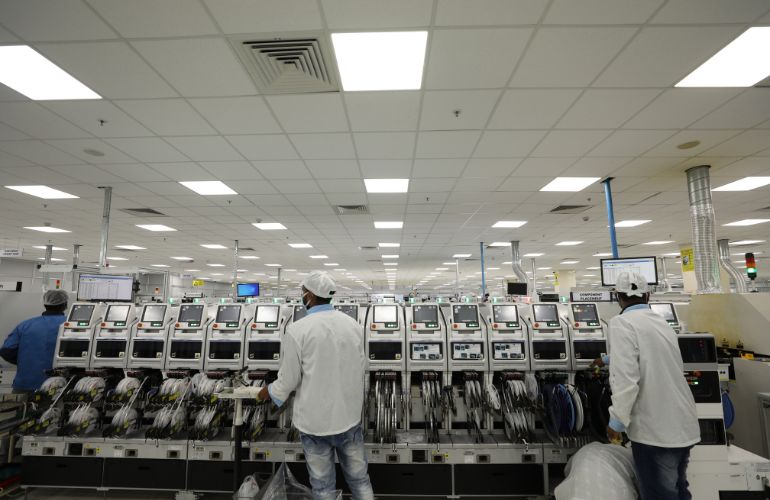
FCC bans new foreign inverter imports
The Federal Communications Commission has banned new internationally manufactured power inverters, like those used in solar PV and energy storage
 www.solarpowerworldonline.com
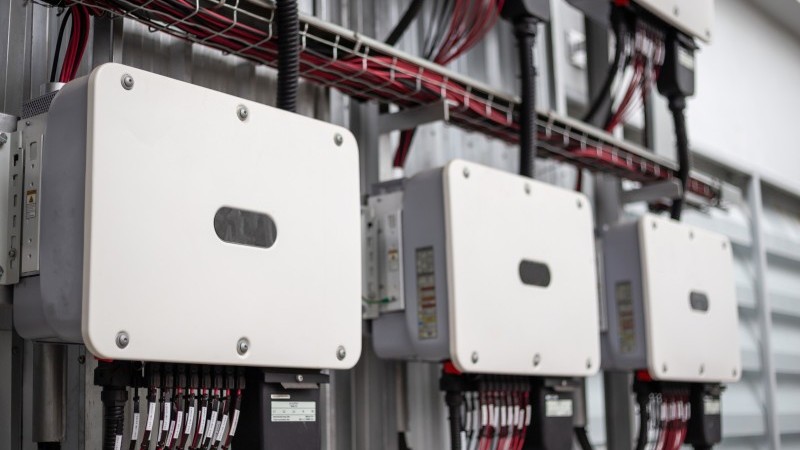
US import ban on new inverters adds fresh pressure to clean power supply chain
The new inverter ban could increase costs and supply chain pressures for the US clean power industry
 think.ing.com
- Messages
- 45,388
- Reaction score
- 7,669
- Points
- 288
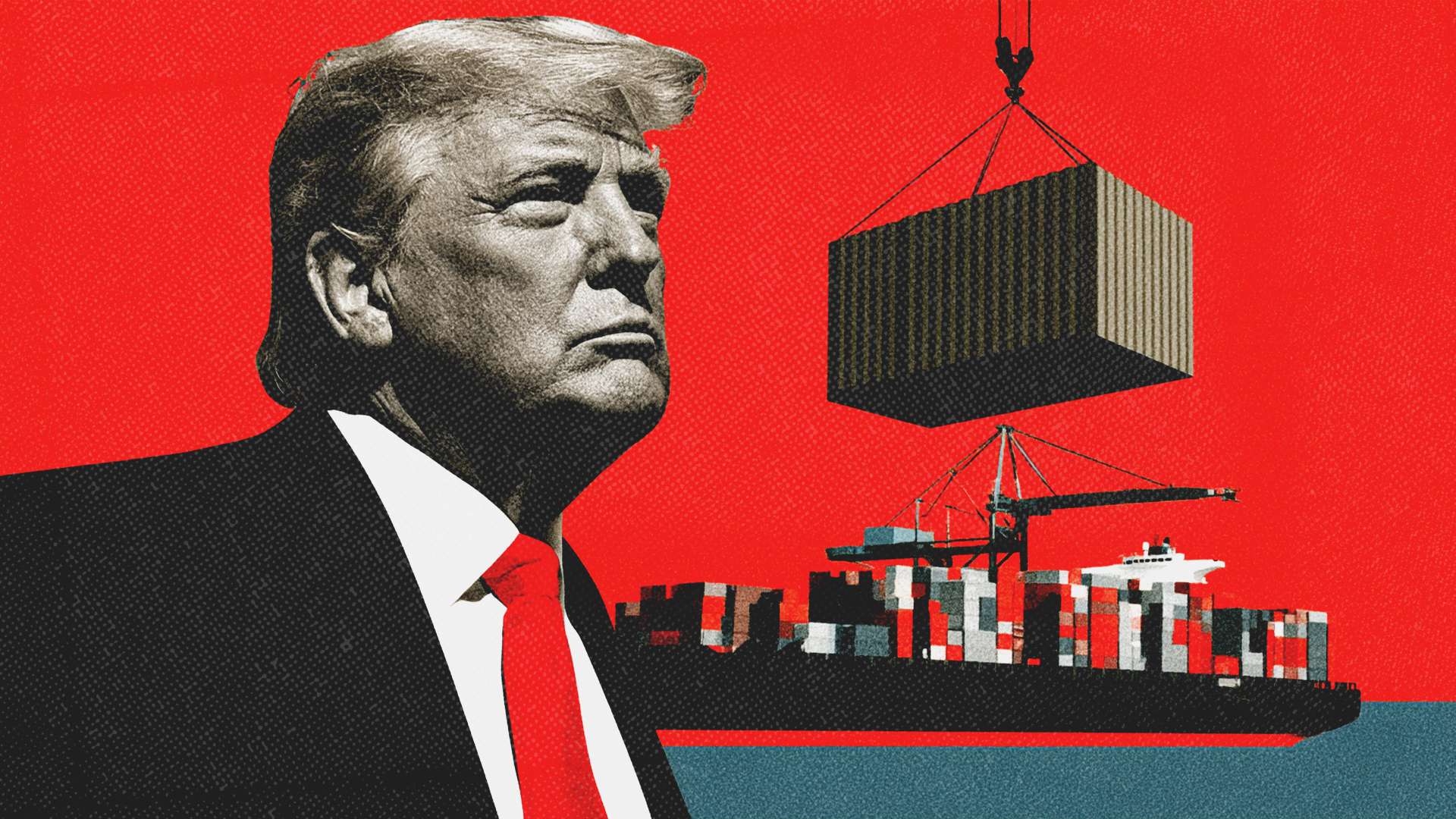
Trump’s tariffs will cost each American household $900 in 2026
The president’s love affair with protectionism has constituted the largest tax increase since 1993, and it won't be stopping anytime soon.
 reason.com

- Messages
- 45,388
- Reaction score
- 7,669
- Points
- 288
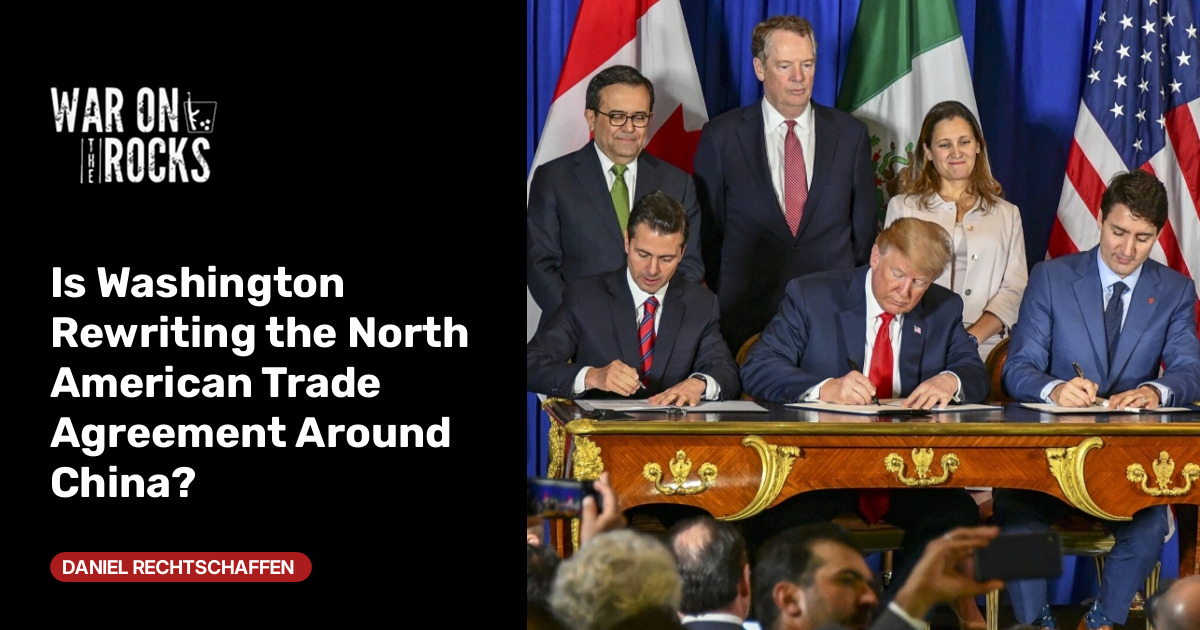
Is Washington Rewriting the North American Trade Agreement Around China?
Washington has repeatedly used trade policy and U.S. market access over the past decade to advance broader economic security priorities with its trading

You can thank the Stuporemes for this one.
Congress has the power to enact tariffs. If they pass a bill stating that, in the current situation and for a specified time, the President has the power to impose tariffs, then, any reasonable reading of law would hold it to be correct. Maybe unwise, but it's not delegating authority; simply allowing the minutia to be handled, for a time, by the Executive.
But the Stuporemes are so overwhelmed with TDS and enough of them part of the Liberal mental-illness cluster, they had to create more havoc.
Tariffs are to do EXACTLY this - put trade barriers in the way to protect domestic industry, or develop it, or re-grow it.
Yes, any reasonable person see that right away.Congress has the power to enact tariffs. If they pass a bill stating that, in the current situation and for a specified time, the President has the power to impose tariffs, then, any reasonable reading of law would hold it to be correct
....but TDS being what it is, blinds half the nation to basic common sense readings of the law.
Maybe their position is that they didn't enact that law for someone they don't like to actually use it.
It's only for use by those potus' they approve of.
That's pretty much the definition of delegating power.Maybe unwise, but it's not delegating authority; simply allowing the minutia to be handled, for a time, by the Executive.
Congress could have done the work themselves, but enacted a law that instead handed the power over that particular matter to the Executive.
They delegated their authority over a particular subject, to someone else.
Tariffs are to do EXACTLY this - put trade barriers in the way to protect domestic industry, or develop it, or re-grow it.
The anti-Trumers in DC have been working for decades to remove any barriers protecting domestic production from foreign imports.
They want World government and to build up the rest of the World at our expense.
- Messages
- 45,388
- Reaction score
- 7,669
- Points
- 288
Fortune
Alliance Consumer Group, a Texas-based flashlight company, encouraged its Chinese manufacturer to build a factory for its products in Thailand when U.S. tariffs on China ballooned last year, making it financially challenging to import manufactured goods from there. But now that the levies on Chinese goods have fallen to similar levels as other areas of southeast Asia such as Vietnam and Thailand, Alliance Consumer Group is reconsidering where it manufactures its flashlights.
More:
https://www.msn.com/en-us/money/mar...es-back-to-china/ar-AA29qvnV?ocid=socialshare
Trump’s tariffs were supposed to boost American manufacturing, but the new levies are actually pushing some companies back to China
In both of his administrations, President Donald Trump has wielded tariffs as a means of discouraging trade relationships with China, as well as incentivizing American reshoring, but this strategy may be backfiring. As Trump’s import tax plan continues to fluctuate, some U.S. companies who initially moved away from China are now reinvesting in suppliers there.Alliance Consumer Group, a Texas-based flashlight company, encouraged its Chinese manufacturer to build a factory for its products in Thailand when U.S. tariffs on China ballooned last year, making it financially challenging to import manufactured goods from there. But now that the levies on Chinese goods have fallen to similar levels as other areas of southeast Asia such as Vietnam and Thailand, Alliance Consumer Group is reconsidering where it manufactures its flashlights.
More:
https://www.msn.com/en-us/money/mar...es-back-to-china/ar-AA29qvnV?ocid=socialshare
- Messages
- 45,388
- Reaction score
- 7,669
- Points
- 288

Canada Seeks to Avoid Looming 50% Tariffs
Canada has been vocal and active in pushing back against punitive tariffs, as well as Trump's repeated claimes he intends to make the country the 51st State.
www.supplychainbrain.com
- Messages
- 45,388
- Reaction score
- 7,669
- Points
- 288
- A federal trade court upheld President Donald Trump’s elimination of the “de minimis” loophole, which allowed low-value goods to be imported to the U.S. tax free.
- Trump, a major proponent of tariffs and other forms of protectionism, celebrated the continued closure of the exemption, which he claims has cost the U.S. billions of dollars in uncollected tax revenue.

Trade court upholds Trump's closure of 'de minimis' loophole
President Donald Trump in a Truth Social post celebrated the continued closure of the deminimis exemption as a "BIG WIN."
- Messages
- 45,388
- Reaction score
- 7,669
- Points
- 288
Take this fwiw, dyodd, and make of it what you will.
Direct link to pdf
Direct link to pdf
- Messages
- 45,388
- Reaction score
- 7,669
- Points
- 288

Section 301 Tariffs and China: A Risky Gambit
Scott Kennedy and Claire Reade outline how USTR’s new Section 301 tariffs face legal hurdles, have not achieved their intended economic results, and are making it more difficult for the United States and allies to align in tackling China’s non-market practices.
- Messages
- 45,388
- Reaction score
- 7,669
- Points
- 288

Trump’s ‘forever’ tariffs are kicking in for the long haul – and US consumers are footing the bill
The effects of the Trump administration’s 2025 tariffs are still being passed on to consumers, while new levies will add to the overall tariff rate.
 theconversation.com
- Messages
- 45,388
- Reaction score
- 7,669
- Points
- 288
Redding says 'we've seen direct implications with trade' over tariffs
(The Center Square) – Federal tariffs pose challenges now for farmers in Pennsylvania and across the nation, while a long-term trend puts the industry at risk, according to the state's top agricultural voice.
“We've had this pendulum swing back and forth on the president's and the administration's approach to the international community, I'll say,” said Russell Redding, the state’s Secretary of Agriculture. “And that has been particularly challenging of figuring out relationships, whether that's with Canada or Mexico or the USMCA environment, or if it's some of our other partners: 130-some partners around the country, around the world.”
More:
https://www.msn.com/en-us/money/mar...ade-over-tariffs/ar-AA2a82wr?ocid=socialshare
- Messages
- 45,388
- Reaction score
- 7,669
- Points
- 288

EU pushes back as US revives trade pressure on bloc
The EU already dialled back the scope of the environmental and human rights supply chain standards laws under pressure from businesses, but the US said that did not go far enough. #EuropeNews
 www.euronews.com
- Messages
- 45,388
- Reaction score
- 7,669
- Points
- 288
Tariff refunds are juicing corporate profits and GDP as more tailwinds converge to propel growth to a blistering 4.3% pace, top economist says
The Trump administration has returned more than $100 billion to U.S. businesses and importers that paid his global tariffs, and the money is quickly heating up the economy.
The refunds are already boosting bottom lines, and 40 companies in the S&P 500 have recorded $9.6 billion, with Apple alone reporting nearly $2.2 billion, according to a Wall Street Journal tally. Other top recipients include Nike, FedEx, Amazon, and General Motors.
“Not only are tariff refunds boosting corporate earnings, they are also boosting GDP growth,” Apollo Chief Economist Torsten Slok said in a note on Saturday.
He estimated that the refund money will contribute about 0.2 percentage point to third-quarter GDP growth, which the Atlanta Fed says is tracking toward 4.3%.
More:
https://www.msn.com/en-us/money/mar...p-economist-says/ar-AA2acyC7?ocid=socialshare
- Messages
- 45,388
- Reaction score
- 7,669
- Points
- 288
Midnight showdown looms as US and Canada meet to sidestep Trump’s tariff blitz
The US and Canada are locked in last-minute talks to prevent a fresh wave of tariffs from striking at 00:01 ET on Wednesday. US President Donald Trump has vowed to slap 50% duties on $20 billion (€17.2bn) worth of Canadian products if a deal is not reached in time.
With the clock running down, Washington and Ottawa are scrambling through final talks aimed at blocking the scheduled 50% import taxes on roughly $20 billion (€17.2bn) in Canadian goods that would otherwise begin just after midnight Wednesday.More:

Midnight showdown looms as US and Canada meet to avoid Trump tariffs
The US and Canada are locked in last-minute talks to prevent a fresh wave of tariffs from striking at 00:01 ET on Wednesday. US President Donald Trump has vowed to slap 50% duties on $20 billion (€17.2bn) worth of Canadian products if a deal is not reached in time.
www.euronews.com
- Messages
- 45,388
- Reaction score
- 7,669
- Points
- 288
Opinion: What is Trump afraid we will see about how the tariffs were formulated?
When the Office of the U.S. Trade Representative unveiled its now-infamous "Liberation Day" tariff formula in April 2025, economists quickly noticed that something was not right.At first glance, the formula looked impressive. It had Greek symbols, academic citations, and all the trappings of serious economic analysis. But once economists began examining it, the sophistication quickly fell away. Key terms, they noticed, effectively cancel one another out, leaving little more than a calculation driven by bilateral trade deficits.
Read the rest here:
https://www.msn.com/en-us/news/poli...-were-formulated/ar-AA2aywij?ocid=socialshare
- Messages
- 45,388
- Reaction score
- 7,669
- Points
- 288
Trump’s trade deal with Canada collapses
A trade agreement between the U.S. and Canada fell apart just before midnight on Friday, marking a significant setback in the ongoing trade war between the two traditionally close allies.The deal’s collapse means 50 percent tariffs on $20 billion worth of Canadian goods now go into effect, hitting products ranging from alcohol to hockey skates.
“Canada declined to finalize the trade deal under the terms agreed earlier this week. Despite the U.S. offer to Canada to receive the best treatment of any major exporter to our market, new demands and walkbacks of other commitments by Canada upended the careful balance reached in the past days,” U.S. Trade Representative Jamieson Greer told reporters late Friday night.
“This is a missed opportunity for Canada to partner with the U.S.,” Greer added.
Read the rest:
https://www.msn.com/en-us/money/mar...canada-collapses/ar-AA2aGnp5?ocid=socialshare
- Messages
- 45,388
- Reaction score
- 7,669
- Points
- 288
Tariffs raised prices you paid. But most businesses won’t be passing tariffs refunds back to you
Tariff refunds were a windfall for US businesses in their most recent quarter. But for American consumers, not so much.Companies’ recent financial disclosures showed hundreds of millions, if not billions, in government payouts starting in May after the Supreme Court ruled that the Trump administration’s global tariffs were illegal.
Retail giant Walmart revealed this week that it got a $2.9 billion refund, while rival Target got $994 million. Apple got an estimated $2.2 billion. Ford got $1.3 billion. Home Depot got $730 million. Nike got $684 million. Amazon got $640 million.
All told, the government began issuing refunds from the $168 billion collected from 330,000 importers. As of July 31, $100 billion had been sent out, according to a court filing by the US Customs and Border Protection.
Read the rest:
https://www.msn.com/en-us/money/com...unds-back-to-you/ar-AA2aIJXI?ocid=socialshare
What to do when your economy, your nation, is dissolving into chaos?
Why...MOAR CHAOS!
I wonder if anyone remembers the onetime situation in Canada. They had strict controls and tariffs on American auto imports...actually, all kinds of industrial goods. ALCO purchased a struggling Montreal locomotive maker, to set up a duplicate line making their designed locomotives...and it continued longer than their American plant. GM-EMD did the same.
There were small, low-volume Ford and GM plants in Ontario, making Canada-specific models. In Canada, Pontiac was more popular than Chevrolet, so they had a lot of Pontrolet models (Pontiac style on Chevrolet chassis and drivetrains) and even rebranded compact models (Pontiac versions of the Vega and Chevette and others). Ford had the Frontenac, a differently-styled Falcon.
All this caused some chaos in the parts book. As the US dropped tariffs, but Canada did not, into the 1970s...new auto plants appeared in Canada more than the US. The huge Brampton plant, now owned by Stellantis, was built by AMC...it made both cars and Jeeps, and made more of them than either the Kenosha plant (cars) or Toledo (Willys home plant).
Studebaker continued to make cars for three years in Canada, exporting to the US, long after South Bend had closed.
So I guess Trump wants to repeat that, does he? Good ol' fashioned TRADE WARS. Who will win? CHY-nuh. Because they'll import their garbage slave-labor cars into Canada; the Canuk libburls will love them (like they loved Russian Ladas, which were garbage, 40 years ago) and the "American" companies (GM is controlled by Chinese partners and Chrysler doesn't exist; it's a Belgian company, Stellantis) lose even MOAR world market share.
Why...MOAR CHAOS!
I wonder if anyone remembers the onetime situation in Canada. They had strict controls and tariffs on American auto imports...actually, all kinds of industrial goods. ALCO purchased a struggling Montreal locomotive maker, to set up a duplicate line making their designed locomotives...and it continued longer than their American plant. GM-EMD did the same.
There were small, low-volume Ford and GM plants in Ontario, making Canada-specific models. In Canada, Pontiac was more popular than Chevrolet, so they had a lot of Pontrolet models (Pontiac style on Chevrolet chassis and drivetrains) and even rebranded compact models (Pontiac versions of the Vega and Chevette and others). Ford had the Frontenac, a differently-styled Falcon.
All this caused some chaos in the parts book. As the US dropped tariffs, but Canada did not, into the 1970s...new auto plants appeared in Canada more than the US. The huge Brampton plant, now owned by Stellantis, was built by AMC...it made both cars and Jeeps, and made more of them than either the Kenosha plant (cars) or Toledo (Willys home plant).
Studebaker continued to make cars for three years in Canada, exporting to the US, long after South Bend had closed.
So I guess Trump wants to repeat that, does he? Good ol' fashioned TRADE WARS. Who will win? CHY-nuh. Because they'll import their garbage slave-labor cars into Canada; the Canuk libburls will love them (like they loved Russian Ladas, which were garbage, 40 years ago) and the "American" companies (GM is controlled by Chinese partners and Chrysler doesn't exist; it's a Belgian company, Stellantis) lose even MOAR world market share.


Canada has a 25% tariff on American made cars.
Why is a blind eye turned to other countries having big tariffs on our stuff that effectively eliminates our goods from their markets, but if we merely threaten to impose tariffs in an attempt to get those nations to agree to better trade deals, it's portrayed as a f'ing tragedy?
If we can't have tariffs, other nations shouldn't have them either.
We are longer dealing with a post WW2 World, so it's time we quit acting as though that's what we're dealing with.
Why is a blind eye turned to other countries having big tariffs on our stuff that effectively eliminates our goods from their markets, but if we merely threaten to impose tariffs in an attempt to get those nations to agree to better trade deals, it's portrayed as a f'ing tragedy?
If we can't have tariffs, other nations shouldn't have them either.
We are longer dealing with a post WW2 World, so it's time we quit acting as though that's what we're dealing with.
- Messages
- 45,388
- Reaction score
- 7,669
- Points
- 288
SCB

Trump’s Tariffs on Canadian Imports: The Real Impact on the U.S. Economy
Canada’s message to the U.S. is that “we’re ready to negotiate, but we’re not coming to this as pushovers. We have things we care about.”
www.supplychainbrain.com
No, they are not.I suspect there are deeper layers to Trump's hostility to Canada. Canada's leadership appears to be championing the WEF's globalist agenda. They are not aligned with us right now.
And, given the YUUGE immigration of Chin and Moslem Fast-Track voters into Canada...to where native-born whites are (IIRC) less than 60 percent of the population....we will soon need a fortified border.
That doesn't excuse this idiot exercise in tariffs as a temper-tantrum way of overturning the table. I was in FAVOR of tariffs - to be used to coerce industry to "reshore" back here. Not this brain-dead chaos we've had to witness for nearly 18 months now.

- Messages
- 22,178
- Reaction score
- 12,570
- Points
- 288
There's ALWAYS more going on than the msm tells
00:00 The Monday Brief - Carney’s War Isn’t About Trade and Bessent Knows It - August 24, 2026
01:43 It’s Not About Trade, the War Canada Can’t Win
06:23 Carney and the “United States Stakeholder Strategy”
10:21 Bessent's Real Target: The System Itself
I suspect there are deeper layers to Trump's hostility to Canada. Canada's leadership appears to be championing the WEF's globalist agenda. They are not aligned with us right now.
THEY PANIC: Carney Suspends Trade Talks — Bessent Knows What's Really Coming
After Prime Minister Mark Carney abruptly pulled Canada out of U.S. trade talks and framed the dispute as a “war,” this episode argues the rupture isn’t really about tariffs but about political and financial strategy aimed at the U.S. midterm elections. Citing U.S. Trade Representative Jamieson Greer’s account of negotiations and Canada’s unique retaliation, the script claims Carney is pursuing “geo-industrialization” and a “donut strategy” to go around the White House and influence American public opinion, aided by U.S.-connected advisers and outreach to mostly Democrats. It also highlights comments from Iran’s foreign minister about U.S. debt and links the broader conflict to competing economic systems. The episode concludes that Treasury Secretary Scott Bessent is fighting a parallel battle to manage risks from the yen carry trade using tools like FIMA to prevent destabilizing Treasury selloffs.00:00 The Monday Brief - Carney’s War Isn’t About Trade and Bessent Knows It - August 24, 2026
01:43 It’s Not About Trade, the War Canada Can’t Win
06:23 Carney and the “United States Stakeholder Strategy”
10:21 Bessent's Real Target: The System Itself
There's ALWAYS more going on than the msm tells
THEY PANIC: Carney Suspends Trade Talks — Bessent Knows What's Really Coming
After Prime Minister Mark Carney abruptly pulled Canada out of U.S. trade talks and framed the dispute as a “war,” this episode argues the rupture isn’t really about tariffs but about political and financial strategy aimed at the U.S. midterm elections. Citing U.S. Trade Representative Jamieson Greer’s account of negotiations and Canada’s unique retaliation, the script claims Carney is pursuing “geo-industrialization” and a “donut strategy” to go around the White House and influence American public opinion, aided by U.S.-connected advisers and outreach to mostly Democrats. It also highlights comments from Iran’s foreign minister about U.S. debt and links the broader conflict to competing economic systems. The episode concludes that Treasury Secretary Scott Bessent is fighting a parallel battle to manage risks from the yen carry trade using tools like FIMA to prevent destabilizing Treasury selloffs.
00:00 The Monday Brief - Carney’s War Isn’t About Trade and Bessent Knows It - August 24, 2026
01:43 It’s Not About Trade, the War Canada Can’t Win
06:23 Carney and the “United States Stakeholder Strategy”
10:21 Bessent's Real Target: The System Itself
Off topic...but you wanna be careful about using Scotty and uniforms in the same presentation. Even if just a thumbnail AI image.
Remember...he's light in da loafters...they just LUUUV uniforms....