


Zimbabwe faced a challenge of hyperinflation in their fiat currency and decided to embrace the US Dollar and Gold coins. Details on their efforts can be found here: https://www.pmbug.com/threads/zimbabwe-made-gold-coins-legal-tender.4966/
Other countries that are fighting inflation in their fiat currencies have sought a different strategy - restricting domestic use of US Dollars. Seems like that isn't working out as expected...
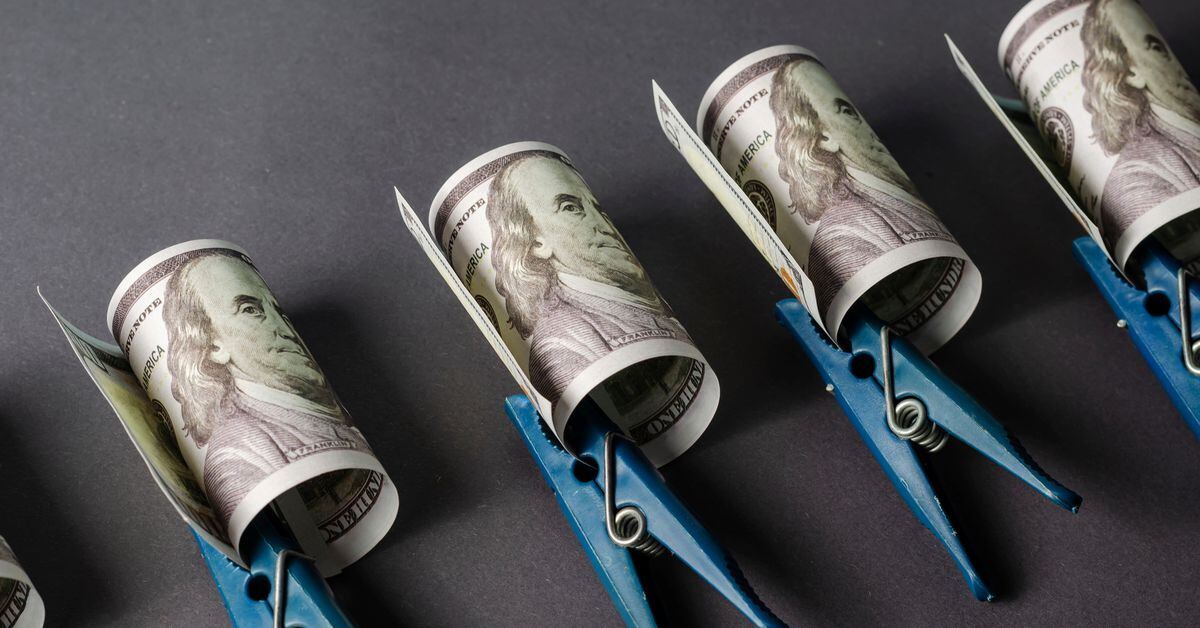
 www.coindesk.com
Other countries that are fighting inflation in their fiat currencies have sought a different strategy - restricting domestic use of US Dollars. Seems like that isn't working out as expected...
...
Latin America has some of the world’s highest inflation rates, with up to 50% of its workforce working in informal conditions and therefore operating outside the banking system.
In Argentina, the central bank imposed severe restrictions on citizens from buying U.S. dollars, hoping to maintain its own federal reserves. That increases the attraction of buying a dollar-denominated stablecoin via the internet. “With a stablecoin, you can access a dollar account without having a dollar account,” Beaudroit said.
“Many people wanted to find a way to ‘dollarize’ their savings and found in DAI, USDC and USDT a very friendly way to do it,” Liserra said, referring to the stablecoins.
According to Chainalysis' 2022 "Geography of Currency" report, Latin America’s key crypto adoption drivers are storing value and sending remittances, for which stablecoins are widely used.
...
“[European] users are beginning to forget about fiat currency as their business flow is earned and spent directly in stablecoins,” Carrascosa said.
This is also a trend in Latin America, where more people now earn their salary directly in “crypto dollars” or stablecoins, depositing them in wallets and using them to live every day, according to Beaudroit.
Stablecoins Gain Traction as Inflationary Shield in Latin America With Growth in Europe
Despite the bear market and the latest banking turbulence, users in Latin America and Europe continue to embrace stablecoins, but in a very different way.