
You are using an out of date browser. It may not display this or other websites correctly.
You should upgrade or use an alternative browser.
You should upgrade or use an alternative browser.
Privacy, encryption vs. Surveillance state
- Thread starter pmbug
- Start date
Welcome to the Precious Metals Bug Forums
Welcome to the PMBug forums - a community supported watering hole for folks interested in gold, silver, precious metals, sound money, investing, market and economic news, central bank monetary policies, politics and more.
Register a free account to join the discussions. When you register an account and log in, you may enjoy additional benefits including access to market data/charts and additional members only rooms (including one for trade/barter with the community).

- Messages
- 46,264
- Reaction score
- 7,774
- Points
- 288
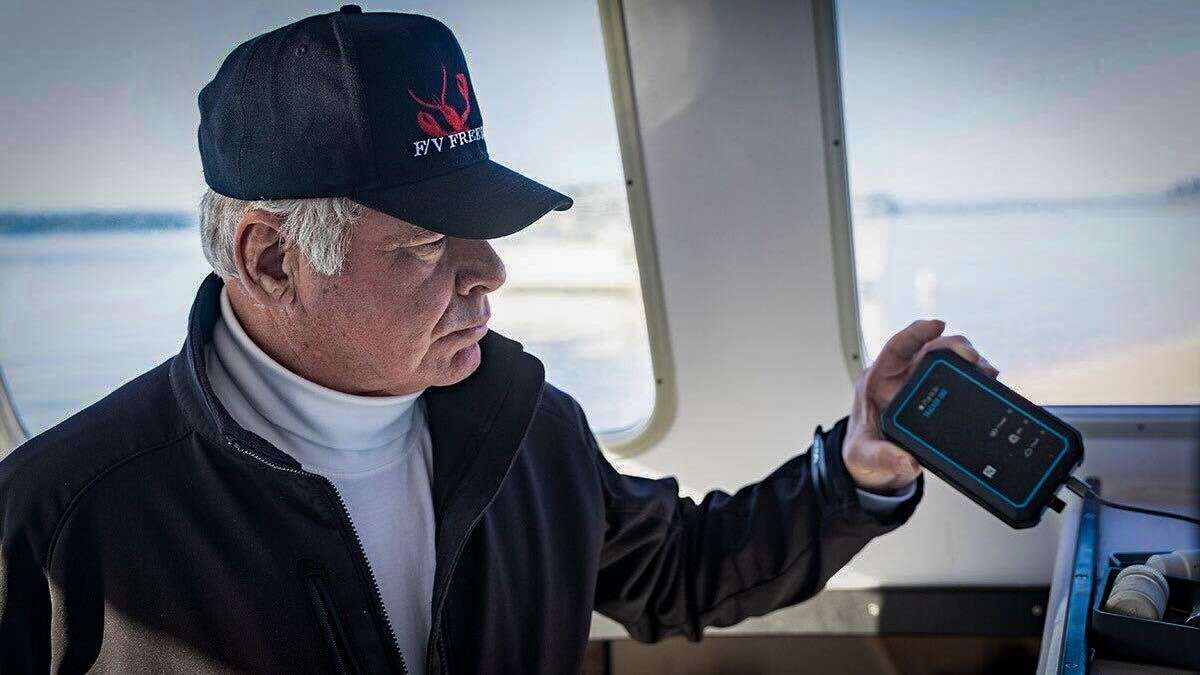
Maine lobsterman asks the Supreme Court to strike down a rule allowing the government to track his boat 24/7
The case could give the Court a chance to clarify what a "closely regulated" business is and what constitutional protections it enjoys.
 reason.com
- Messages
- 46,264
- Reaction score
- 7,774
- Points
- 288

Institute for Justice Applauds Idaho Governor Signing Bill Protecting Private Property from Law Enforcement Searches Without a Warrant - Institute for Justice
ARLINGTON, Va. –Yesterday, Idaho took a major step toward restoring protections for the state’s landowners with Governor Brad Little’s signing of S.1326. The historic, first-of-its […]
 ij.org


^^
It's a press release - it's OK to repost the content:
It's a press release - it's OK to repost the content:
IJ said:Yesterday, Idaho took a major step toward restoring protections for the state’s landowners with Governor Brad Little’s signing of S.1326. The historic, first-of-its kind new law prohibits most government agents from entering private land that is closed to the public without a warrant, consent, or a recognized emergency, and arrived at the governor’s desk with strong bipartisan support.
“Private land is exactly that; it’s private,” said Alasdair Whitney, Legislative Counsel for the Institute for Justice (IJ). “It should not be treated as open territory for warrantless searches. Idaho has made it clear that if the government wants to step onto private land to investigate or search for wrongdoing, it must first go to a judge and show probable cause. This law protects law-abiding landowners while preserving law enforcement’s ability to do its job the right way.”
Previously, government agents were able to come onto private land under the “open fields doctrine,” a judge-created rule that traces its roots to Prohibition. During Prohibition, government agents prowled for illicit alcohol and stills, including on private lands. In Hester v. United States, federal agents hid on someone’s private land to see if they were selling alcohol and gave chase when they saw his son hand someone a bottle. Despite the grave constitutional stakes, the Supreme Court breezily held in a two-paragraph opinion that the Fourth Amendment did not apply to private land because “the special protection accorded by the Fourth Amendment to the people in their ‘persons, houses, papers, and effects,’ is not extended to the open fields.” In one fell swoop, the court categorically eliminated all Fourth Amendment protections for most privately-owned land in the United States.
Hester’s narrow view of the Fourth Amendment eviscerated Americans’ constitutional rights. Worse, it was based on a false premise: that the “distinction between [open fields] and the house is as old as the common law,” a distinction that was about when private individuals could be charged with burglary, not about when government agents could intrude on private land. Still, the damage was done.
With the signing of S.1326, that error in ruling has been fixed. Idaho has 14 million acres of private land. Before this bill became law, at most 2.9% of that land (just 407,000 acres) was protected from warrantless searches. Now, 100% of that land is protected.
The new law is another example of IJ’s commitment to restoring the right to be secure from unreasonable searches and seizures under its Project on the Fourth Amendment.
- Messages
- 46,264
- Reaction score
- 7,774
- Points
- 288
Tony Tan, Scott West, and Colin Wolfson are ordinary San Jose residents. Like other people, they drive to work, to see their friends and loved ones, and more. None of them have ever been arrested or, as far as they know, even suspected of a crime. Yet, every day, their movements (along with those of every other San Jose driver) are tracked and logged. Any officer with access can easily pull up a record of where they’ve been over the past 30 days.
That’s because San Jose has built out a vast network of nearly 500 automated license plate reader (ALPR) cameras across the city. These are not standard surveillance cameras. Every time a car passes, they snap and upload a picture, where artificial intelligence reads the license plate and identifies other key vehicle features, like the make, color, and even bumper stickers.
More:
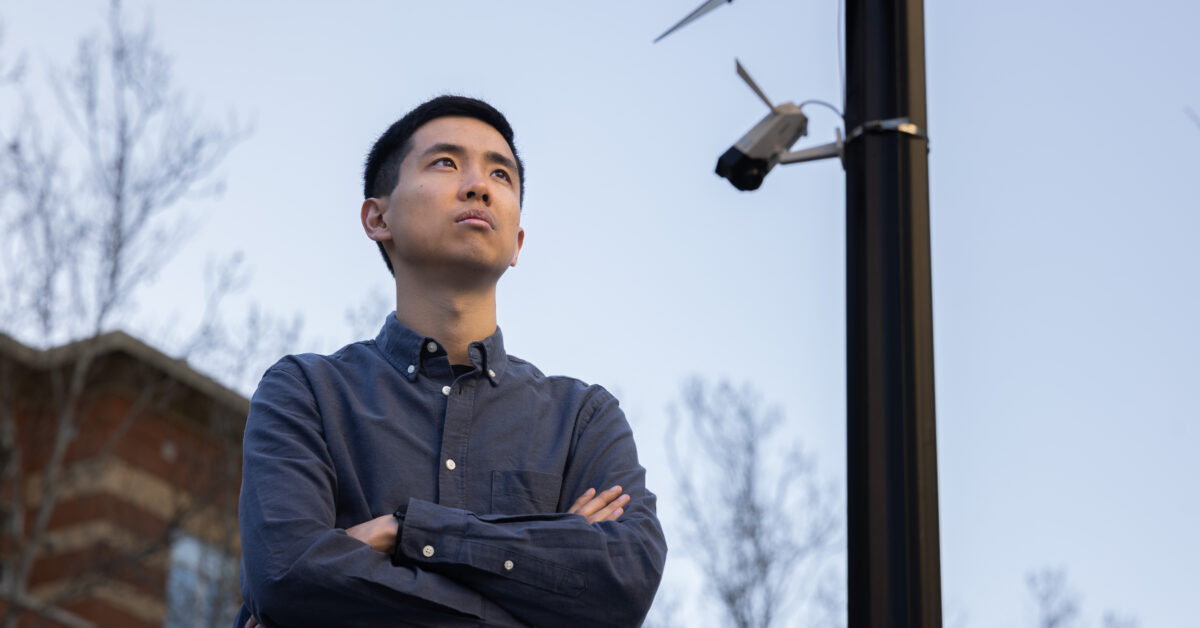 ij.org
That’s because San Jose has built out a vast network of nearly 500 automated license plate reader (ALPR) cameras across the city. These are not standard surveillance cameras. Every time a car passes, they snap and upload a picture, where artificial intelligence reads the license plate and identifies other key vehicle features, like the make, color, and even bumper stickers.
More:
San Jose License Plate Readers - Institute for Justice
Tony Tan, Scott West, and Colin Wolfson are ordinary San Jose residents. Like other people, they drive to work, to see their friends and loved ones, and […]
ij.org
- Messages
- 46,264
- Reaction score
- 7,774
- Points
- 288
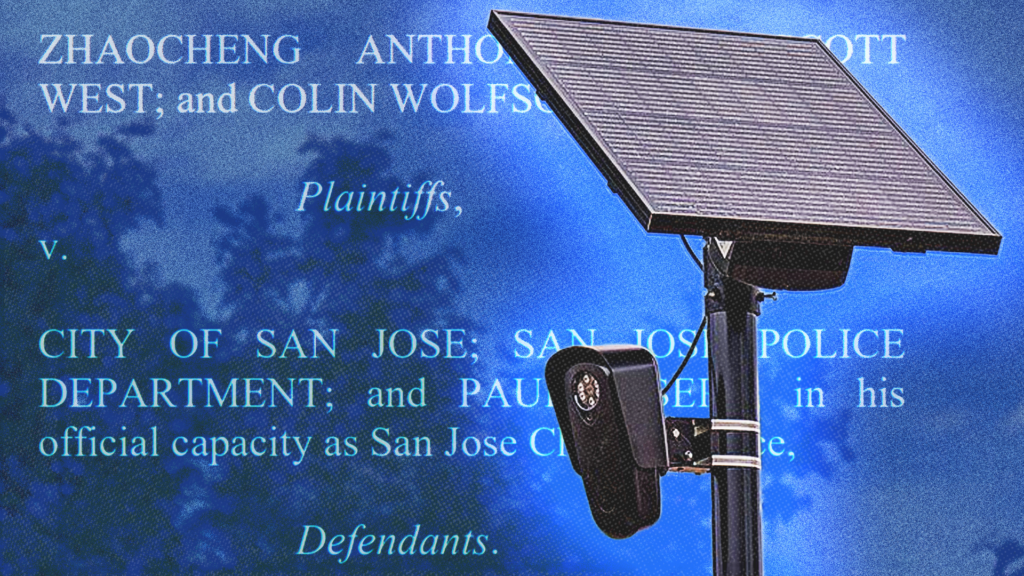
San Jose's 'creepy' and 'deeply intrusive' ALPR camera system is unconstitutional, a new lawsuit says
A lawsuit challenges San Jose’s network of license plate readers, arguing warrantless tracking of drivers violates the Fourth Amendment
reason.com
- Messages
- 46,264
- Reaction score
- 7,774
- Points
- 288

When Flock Cameras Appear: Everything You Need to Know About This Surveillance Tech
Flock Safety is setting up cameras and drones across the country. I spoke to cities and privacy advocates fighting back against the AI surveillance, including Flock and others like it.
 www.cnet.com
- Messages
- 46,264
- Reaction score
- 7,774
- Points
- 288

Eighth Circuit Upholds Ban on Trespassing for Surveillance Purposes
From PETA, Inc. v. Reynolds, decided Thursday by the Eighth Circuit (Judge Steven Grasz, joined by Judges James Loken and...
reason.com
- Messages
- 46,264
- Reaction score
- 7,774
- Points
- 288

Institute for Justice Promises to Continue Fight for Privacy Rights After Legislation on Automated License Plate Readers Fails to Advance - Institute for Justice
Arlington, Va.—Today, Colorado State Sens. Judy Amabile and Lynda Zamora Wilson announced that their bill, SB26-070, will not be moving forward this year. The bill, […]
ij.org
- Messages
- 46,264
- Reaction score
- 7,774
- Points
- 288

Utah’s New Law Targeting VPNs Goes Into Effect Next Week
For the last couple of years, we’ve watched the same predictable cycle play out across the globe: a state (or country) passes a clunky age-verification mandate, and, without fail, Virtual Private Network (VPN) usage surges as residents scramble to maintain their privacy and anonymity. We've seen...
- Messages
- 46,264
- Reaction score
- 7,774
- Points
- 288

Open Records Laws Reveal ALPRs’ Sprawling Surveillance. Now States Want to Block What the Public Sees.
Reporters, community advocates, EFF, and others have used public records laws to reveal and counteract abuse, misuse, and fraudulent narratives around how law enforcement agencies across the country use and share data collected by automated license plate readers (ALPRs). EFF is alarmed by recent...
Utah says "hold my beer":
 www.tomshardware.com
Utah first state to hold websites liable for users who mask their location with VPNs — law goes into effect, designed to prevent bypassing age checks
Senate Bill 73 holds websites liable for users who mask their location.
- Messages
- 46,264
- Reaction score
- 7,774
- Points
- 288
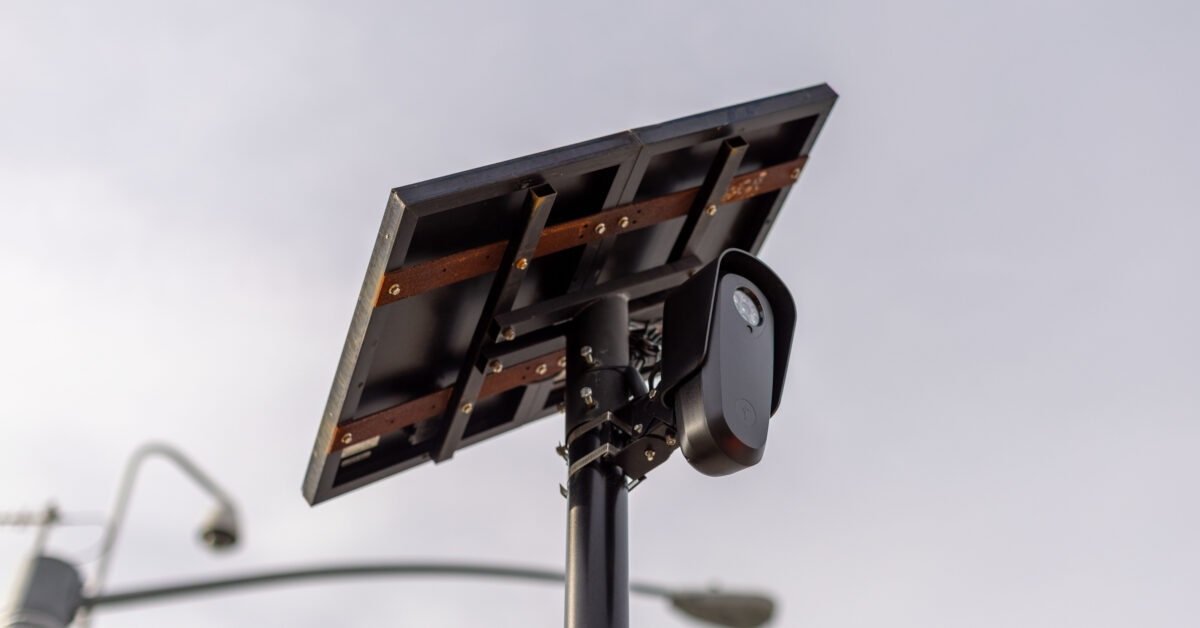
Police Have Reportedly Used License Plate Readers to Stalk Romantic Interests Dozens of Times in Recent Years - Institute for Justice
This article was updated on September 3, 2026. For a more comprehensive and up-to-date tally of ALPR abuse, check out IJ’s database of ALPR abuse. […]
ij.org

Police Have Reportedly Used License Plate Readers to Stalk Romantic Interests Dozens of Times in Recent Years - Institute for Justice
This article was updated on September 3, 2026. For a more comprehensive and up-to-date tally of ALPR abuse, check out IJ’s database of ALPR abuse. […]
Oh, WHAT A SURPRISE.
Before I even got to this post, I was gonna make a snarky remark about how people with 2/3 my IQ (and most of yours) are now gonna be watching our every movement. What could come of that, other than disaster?
Now we see. The Low-Impulse types in LE (since Defund-The-PoPo, they are desperate for bodies and taking anyone with a pulse; there's your second-order effect, Antifa)...
...they have all this Gee-Whiz stuff, and see a lot of attractive women. Sometimes with clothing in disarray - which happens in the course of life. Sometimes doing something private in a corner somewhere, as happens.
And of course the low-wattage types have no grasp of the concept of privacy and human dignity. All they know is DEY GOTZ DA POWAH. And all this data, at their fingertips.
Who couldn't see this coming?
And who can't see what's next? Public rage; and then legal protection for the Controller Class...and we really become prisoners.
And the pressure builds. Just as with a boiler, unmanaged.
- Messages
- 46,264
- Reaction score
- 7,774
- Points
- 288
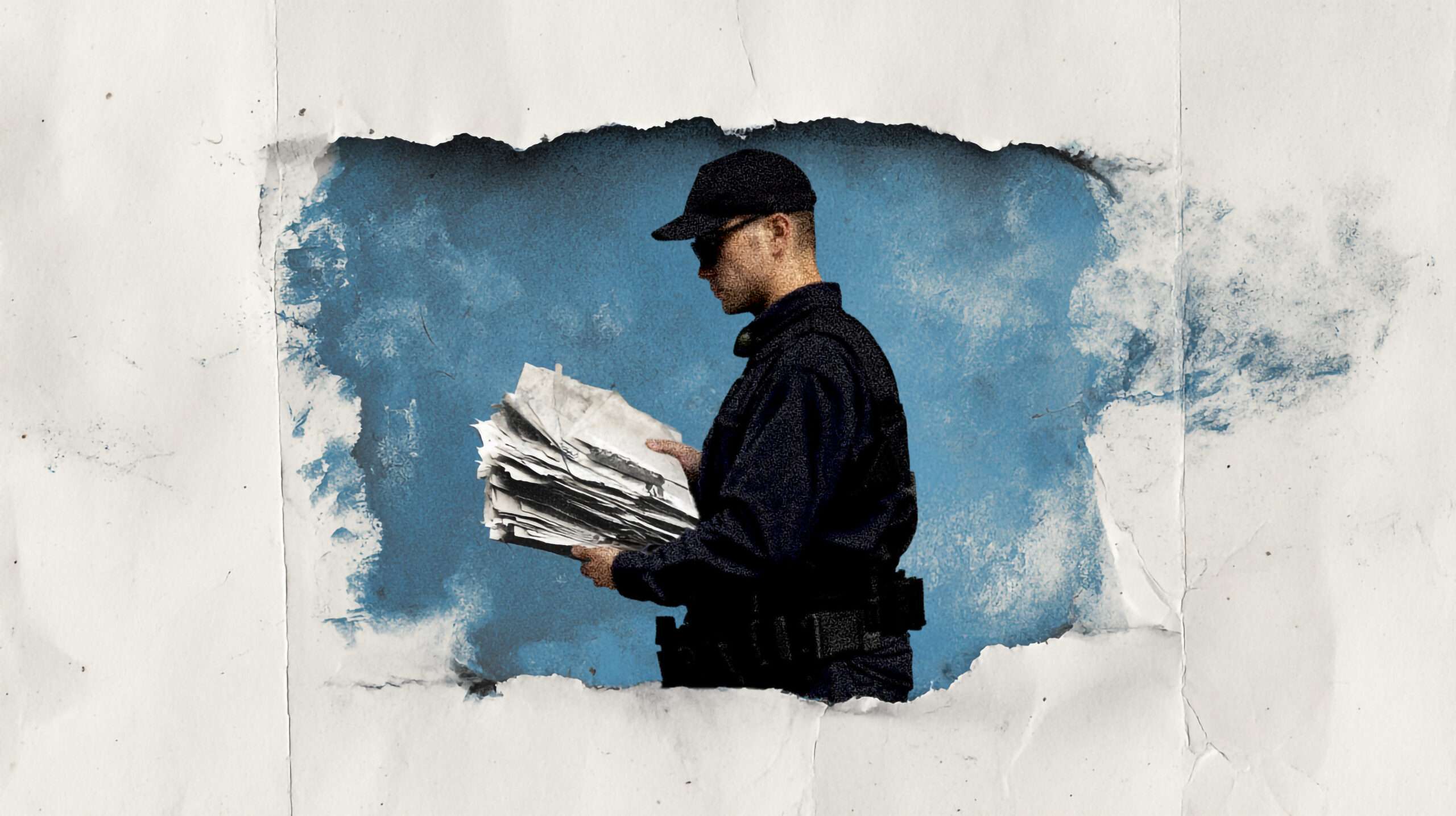
Surveillance tools intended for border control are being used against Americans
U.S. citizens are being monitored and punished with technology meant to battle illegal immigration.
reason.com
Universal digital track and trace is here!
The Trump Administration’s FCC is now pushing to mandate tying your phone number to the REAL ID system or another form of ID. This means no more anonymity on the internet, and your incognito mode or private browsing is meaningless.
The government will be able to legally track EVERYTHING you do by simply buying the records from your phone provider, and it will then be legally official.
This is NOT MAGA and is much more like the great reset we just fought Biden to stop.
- Messages
- 46,264
- Reaction score
- 7,774
- Points
- 288

Home Depot And Lowe's Are Scanning Your License Plates: Here's Why - Jalopnik
It's all about ICE activity on Home Depot property.
 www.jalopnik.com
And Walmart is doing it also. I'm sure part of it is cooperation with the authorities; but all these places know that's superficial and temporary.
Walmart, from what I heard, is doing it as part of loss-prevention strategy. Since low-dollar shoplifting is now de-facto legal in some Blue hellholes; and since cops aren't motivated to actually arrest unless it's a major felony...they'll record with facial-recognition all through the store, scan license plates, and if some targeted behavior triggers the algos (or a face it spots) it's all recorded and collated, from the lifting to the exit to the car they drive off in, along with the registration of the owner.
This from Eww Toob reposter Yak Motley - he takes various social-media feeds and collates them into themes with commentary.
I'm not surprised. Self-serve mega-stores like Wally World, set up to serve an honest, self-controlled population...these cannot survive when trust collapses and the "customers" are lawless and feral. They have the choice - close and retract, and eventually collapse...that's what Walgreens and other smaller-footprint specialty stores are doing...Wally World cannot do that. They're set up with economies of scale.
So they'll have to work the New Reality into their business plan. Do not be surprised if they try to get their "loss prevention" "officers" into some sort of private police force. The model I'm imagining is Railroad Police - private corporate employer, but with power granted to set up a full-stop law-enforcement arm.
Corporatism. Which comes close to textbook fascism.
The alternative is, closure of these whole chains, since the American retail model cannot work with Somali morals.
Walmart, from what I heard, is doing it as part of loss-prevention strategy. Since low-dollar shoplifting is now de-facto legal in some Blue hellholes; and since cops aren't motivated to actually arrest unless it's a major felony...they'll record with facial-recognition all through the store, scan license plates, and if some targeted behavior triggers the algos (or a face it spots) it's all recorded and collated, from the lifting to the exit to the car they drive off in, along with the registration of the owner.
This from Eww Toob reposter Yak Motley - he takes various social-media feeds and collates them into themes with commentary.
I'm not surprised. Self-serve mega-stores like Wally World, set up to serve an honest, self-controlled population...these cannot survive when trust collapses and the "customers" are lawless and feral. They have the choice - close and retract, and eventually collapse...that's what Walgreens and other smaller-footprint specialty stores are doing...Wally World cannot do that. They're set up with economies of scale.
So they'll have to work the New Reality into their business plan. Do not be surprised if they try to get their "loss prevention" "officers" into some sort of private police force. The model I'm imagining is Railroad Police - private corporate employer, but with power granted to set up a full-stop law-enforcement arm.
Corporatism. Which comes close to textbook fascism.
The alternative is, closure of these whole chains, since the American retail model cannot work with Somali morals.
- Messages
- 46,264
- Reaction score
- 7,774
- Points
- 288
Speed Camera 1 MPH Margin of Error Gets Ticket Tossed
May 15, 202Steve Lehto analyzes a recent District of Columbia Court of Appeals ruling regarding automated speeding tickets. By examining the legal implications of calibration standards and inherent margins of error in radar technology, this discussion explores how these technical limitations influence the burden of proof required in traffic violation cases.
15:54
Like to read:
Here is the opinion I refer to: https://www.dccourts.gov/sites/defaul...
Speed Camera 1 MPH Margin of Error Gets Ticket Tossed
May 15, 202
Steve Lehto analyzes a recent District of Columbia Court of Appeals ruling regarding automated speeding tickets. By examining the legal implications of calibration standards and inherent margins of error in radar technology, this discussion explores how these technical limitations influence the burden of proof required in traffic violation cases.
15:54
Like to read:
Here is the opinion I refer to: https://www.dccourts.gov/sites/defaul...
When I was young and dumb (not unlike the current crop of SovCit's out there) I fought a couple of traffic tickets in court...I represented myself, and yes, I did have a fool for a client.
But my track record is enviable - 2:1 win/loss.
I'd love to say I won with my brilliance, but I'd be lying my glutials off. Here's why I won when I did: It was CONVENIENT for the authorities to discharge the conviction.
The first win was in a tiny town...name doesn't matter...not far from where I lived. I felt it was entrapment - late at night, I was out on legitimate business (long story there, but no sex or alcohol involved) and a car starts tailgating me.
I was going right at the 55 mark. Okay...I'll step it up until I get to where I can pull over.
Tailgator steps it up.
I step it up moar. He holds pace.
FINALLY I'm approaching a widening area, and on come the party lights. County Mountie, and he's got the ticket book all warmed up. 64 in a 55, approaching a 45 zone. Nine over.
I'm a naive 20 years old and PO'd in the extreme. I go to court, and in preparation for trial, I demand a Supporting Deposition (NY law at the time).
Trial comes; I'm there but the S.D is not and neither is the deputy. The Town Justice tosses the ticket.
WIN.
Years later...moving into a little town in Ohio. One of those hurried weekend moves. So...I knew from having been up and down the causeway, between the almost-an-island village and the inland...that the speed limit was 45. Plainly posted - on the South lane.
So I come into town, with Blazing Saddles, my Pinto station-wagon, loaded with my crap. Holding a steady 45. That little Ford, old and sunburnt and a long way from Houston where I got it...was still a very-good road car.
On go the party lights, again.
Welcome to our town, buddy. You're gettin' to know the people that matter, right off. We didn't exchange pleasantries, beyond the address. Unremarked at the time, was the County sticker on my Ohio tags - something that became law just that year. It gave another county name. Fair game, boys...let's go HUNTIN'!
Ticket charged ten over - 45 in a 35. The piss-off I felt with this one, was setting performance records.
So of course I was gonna challenge it. I appear in Mayor's Court (which is, or used to be, an Ohio novelty in rural areas, where the Village Mayor acts as justice-of-the-peace) and am asked to enter a plea formally.
Not. Guilty.
"What're you doin' out this way, boy?" says Mister Mayor.
"I just took a job with the county." County offices were three miles away, over the little causeway and into the city which was the County Seat.
"So...you're livin' over at Art Sunaio's place then."
"That's right."
"Alright...let's take care of business. Clerk, read the charge." She reads them.
"You plead not guilty."
"Correct."
"It is...the RECOMMENDATION of THIS COURT...that the plea of Not-Guilty be accepted. According to the paperwork, the village ordinance reference is incorrect."
My chin hit the floor.
"Welcome to Fairport, son. Don't be doin' that no more. Now you know - speed's 45 goin' south, but 35 on the northbound lane."
So...I expect that's not unlike what's going on, there in Leito's case. Justice is indeed blind...and often retarded...but you know damn well it's not non-political.
Last edited:
- Messages
- 46,264
- Reaction score
- 7,774
- Points
- 288
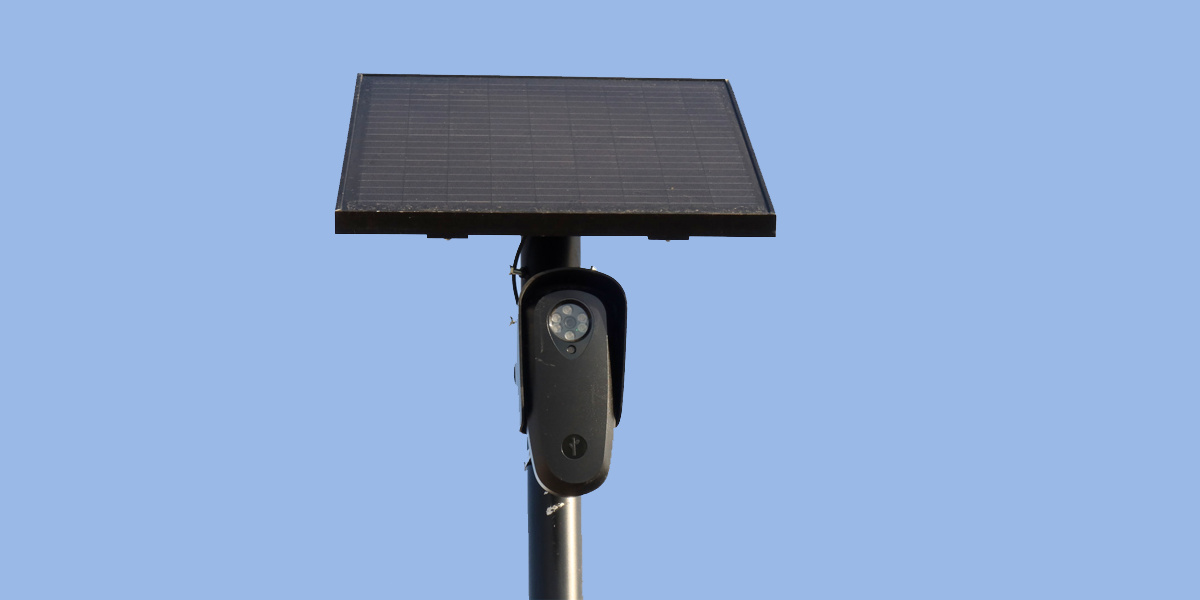
More License Plate Reader Mission Creep: School Residency Verification, Background Checks, and Noise Complaints
An EFF analysis of millions of searches of Flock Safety automated license plate reader (ALPR) data by police has uncovered a troubling pattern: in the absence of a warrant requirement to search ALPR databases, law enforcement agencies have moved beyond specific investigations to use these...
- Messages
- 46,264
- Reaction score
- 7,774
- Points
- 288
Related. You're not paranoid...............they're watching your azz.


Philly Cops Are Tracking People Who Criticize AI Data Centers Online - State of Surveillance
A leaked fusion center bulletin reveals Philadelphia police labeled social media criticism of AI data centers as a domestic violent extremism indicator — alongside boycotts, protests, and 'disruptive First Amendment activity.' Here is how fusion centers keep turning lawful speech into threat...
stateofsurveillance.org
- Messages
- 46,264
- Reaction score
- 7,774
- Points
- 288
More:
The shady companies helping governments hack citizens’ phones
A pair of reports by the world’s biggest internet firms shed more light on the murky cyberweapons market and put more pressure on government to take action.
Named for the winged horse of Greek mythology and often sent by text message, Pegasus can burrow into your phone without your knowledge or even your click, hiding for days or weeks inside, surreptitiously recording everything—messages, photos, encrypted chats, and video and audio—in real-time. Exactly where your data is going often remains a mystery, lost in a tangle of servers. But the deadly impacts of Pegasus and other cyberweapons—wielded by governments from Spain to Saudi Arabia against human rights defenders, journalists, lawyers and others—is by now well documented. A wave of scrutiny and sanctions have helped expose the secretive, quasi-legal industry behind these tools, and put financial strain on firms like Israel’s NSO Group, which builds Pegasus.
And yet business is booming. New research published this month by Google and Meta suggest that despite new restrictions, the cyberattack market is growing, and growing more dangerous, aiding government violence and repression and eroding democracy around the globe.
“The industry is thriving,” says Maddie Stone, a researcher at Google’s Threat Analysis Group (TAG) who hunts zero-day exploits, the software bugs that have yet to be fixed and are worth potentially hundreds of millions to spyware sellers. “More companies keep popping up, and their government customers are determined to buy from them, and want these capabilities, and are using them.”
More (a tad long):
A bit more on Pegasus

EU Politicians Investigated Pegasus Spyware. Then It Ended Up on One of Their Phones
“It is a direct attack on the rule of law,” says one European Parliament member of the new findings from Citizen Lab.
Begun the Flock wars have.
Saw a post yesterday of a Flock camera being installed outside an Academy store. The camera was being installed pointing at the store's entrance/door. Not sure if it was real or AI (never know these days), but word is spreading about the Flock BS.
Saw a post yesterday of a Flock camera being installed outside an Academy store. The camera was being installed pointing at the store's entrance/door. Not sure if it was real or AI (never know these days), but word is spreading about the Flock BS.
Begun the Flock wars have.
Saw a post yesterday of a Flock camera being installed outside an Academy store. The camera was being installed pointing at the store's entrance/door. Not sure if it was real or AI (never know these days), but word is spreading about the Flock BS.
They brought it on themselves.
Had the technology always and only been limited to solving actual reported crimes* instead of being used as a no-holds-bared spy tool, I think that most people would be ok with it.
* As in any use of the system either requires a warrant, or be directly tied to a real investigation of a serious crime.
Example: someone getting away from a murder or armed robbery? It'd be nice to be able to see where they go, or at least be able to know what area the suspect is in. Or perhaps using it to find stolen cars.
It's the abuses of the system that are known to have happened, as well as the real likelihood of of future abuse, is what most people don't like about it.
If it were only used to help catch people like the guy who killed the lady working at the convenience store, I doubt that many people would complain.
I hate to be a downer, but I've YET to see a successful grassroots rebellion. Against ANYTHING.
Every uprising or revolution has money, usually bankster money, behind it. That includes the American revolution - it was our forefathers' great luck that the Colonial Moneyed Class had mostly-pure intentions (some notable exceptions, particularly Hamilton). But it remains...when The People Lead, the leaders do NOT follow - they WIPE OUT the People-Who-Lead.
We'll see where this goes, but...this time ain't different. The Overton Window only slides one way, until the whole corrupted structure collapses.
Every uprising or revolution has money, usually bankster money, behind it. That includes the American revolution - it was our forefathers' great luck that the Colonial Moneyed Class had mostly-pure intentions (some notable exceptions, particularly Hamilton). But it remains...when The People Lead, the leaders do NOT follow - they WIPE OUT the People-Who-Lead.
We'll see where this goes, but...this time ain't different. The Overton Window only slides one way, until the whole corrupted structure collapses.

Viking
Yellow Jacket

...
Saw a post yesterday of a Flock camera being installed outside an Academy store. The camera was being installed pointing at the store's entrance/door. ...
Found it.