
You are using an out of date browser. It may not display this or other websites correctly.
You should upgrade or use an alternative browser.
You should upgrade or use an alternative browser.
No banks are safe (bail ins, FDIC limits, systemic risks)
Welcome to the Precious Metals Bug Forums
Welcome to the PMBug forums - a community supported watering hole for folks interested in gold, silver, precious metals, sound money, investing, market and economic news, central bank monetary policies, politics and more.
Register a free account to join the discussions. When you register an account and log in, you may enjoy additional benefits including access to market data/charts and additional members only rooms (including one for trade/barter with the community).

- Messages
- 46,438
- Reaction score
- 7,792
- Points
- 288

FDIC: Top depositors led 2023 runs at failed regional banks
Silicon Valley Bank, Signature Bank and First Republic Bank each lost about half of their deposits in a matter of days in early March 2023, the regulator found.
- Messages
- 46,438
- Reaction score
- 7,792
- Points
- 288
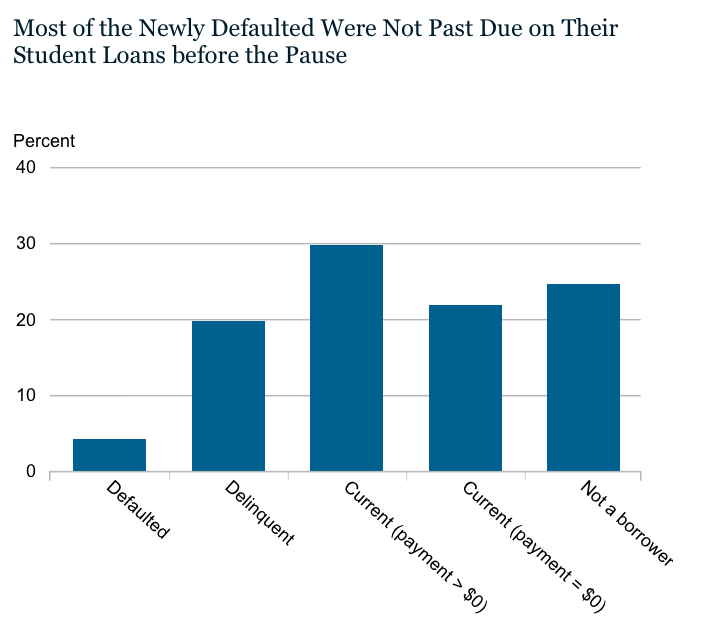
Student Debt, Along With Credit Cards and Car Loans, Are Seriously Weaking Bank Balance Sheets
Defaulted student loan borrowers are also having issues with their other credit products. They now have very high delinquency rates across all credit products...
 goldseek.com
- Messages
- 46,438
- Reaction score
- 7,792
- Points
- 288

5 bank failure-related changes the FDIC is considering
The agency’s chair, Travis Hill, outlined potential changes to deposit insurance assessments, private capital’s role in bids for failed banks, and a potential exception to the “least cost” requirement.
- Messages
- 46,438
- Reaction score
- 7,792
- Points
- 288

EagleBank to pay $9.7M to resolve BSA violations
The Bethesda, Maryland-based lender admitted to knowingly letting customers engage in a check fraud scheme, and to having lax anti-money laundering controls for more than a decade.
- Messages
- 46,438
- Reaction score
- 7,792
- Points
- 288

Fed dings small Kansas lender for third time since 2023
Lenexa, Kansas-based Small Business Bank must address being “significantly undercapitalized” within 30 days, the central bank wrote.
- Messages
- 46,438
- Reaction score
- 7,792
- Points
- 288
^

 www.fdic.gov
The Farmers State Bank of Oakley, Kansas Assumes All Deposits of Small Business Bank, Lenexa, Kansas | FDIC.gov
Small Business Bank in Lenexa, Kansas, was closed today by the Kansas Office of the State Bank Commissioner, which appointed the FDIC as receiver.
www.fdic.gov

The first snowflake to start the slide.
- Messages
- 46,438
- Reaction score
- 7,792
- Points
- 288
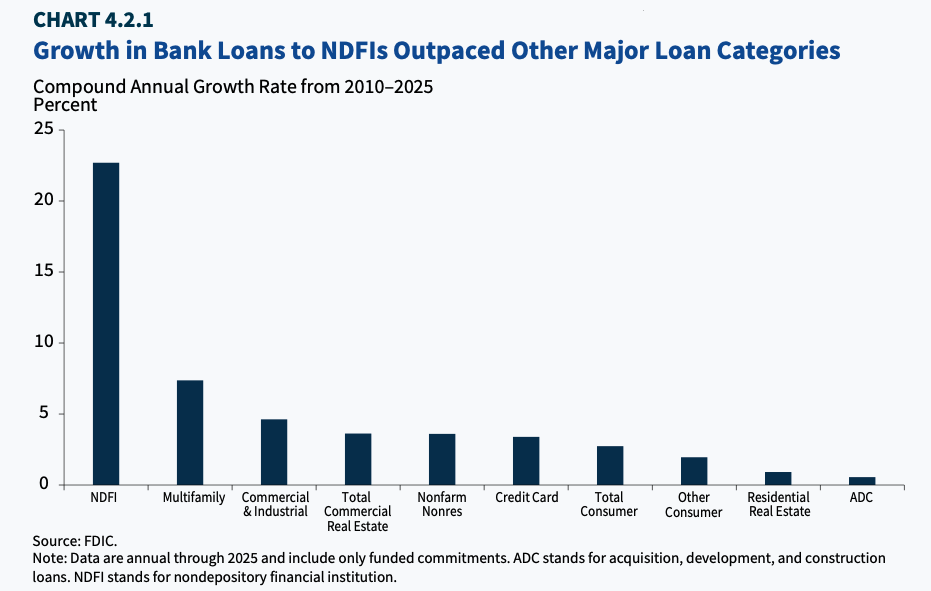
The FDIC Issues A Warning About An Increasing Risk In Big Banks
The FDIC explicitly highlights the risk, noting that, in an economic downturn, shadow lenders may need to sell assets, putting downward pressure on asset values.
goldseek.com

You wanna know how bad things really are? This is a good interview with an Expert on debt. It all comes down to the scams that have grown out of the old ratings agencies.
- Messages
- 46,438
- Reaction score
- 7,792
- Points
- 288
Locally
Press Release: Second Federal Savings and Loan Association of Philadelphia Assumes All Deposits of Tioga-Franklin Savings Bank, Philadelphia - PRESS RELEASE | AUGUST 21, 2026 Second Federal Savings and Loan Association of Philadelphia Assumes All Deposits of Tioga-Franklin Savings Bank, Philadelphia ...
Press Release: Second Federal Savings and Loan Association of Philadelphia Assumes All Deposits of Tioga-Franklin Savings Bank, Philadelphia - PRESS RELEASE | AUGUST 21, 2026 Second Federal Savings and Loan Association of Philadelphia Assumes All Deposits of Tioga-Franklin Savings Bank, Philadelphia ...
What is that, around the 5th bank so far this year?


How does an institution (Any American bank) that has the power to LEND money into existence...go broke?Locally
Press Release: Second Federal Savings and Loan Association of Philadelphia Assumes All Deposits of Tioga-Franklin Savings Bank, Philadelphia - PRESS RELEASE | AUGUST 21, 2026 Second Federal Savings and Loan Association of Philadelphia Assumes All Deposits of Tioga-Franklin Savings Bank, Philadelphia ...
This stinks like politics. Like Barry Hussein's Grand Plan of putting those pesky little Building-and-Loans out of business, because, in his divine opinion, we had "too many" banks.
Too many to easily corrupt, he meant, of course. But one by one the neighborhood banks got stomped, shut-down, force-merged into WF or JPMC or BA...and this trend continues.
Soon they'll start attacking the credit unions. Already there's a merger-mania in my region over THOSE.
How does an institution (Any American bank) that has the power to LEND money into existence...go broke? ...
They have not learned the US Treasury Dept's trick of lending to themselves.
- Messages
- 46,438
- Reaction score
- 7,792
- Points
- 288

SVB ex-parent not entitled to $1.7B from FDIC
Silicon Valley Bank’s former parent company will not get $1.7 billion from the Federal Deposit Insurance Corp., a federal judge ruled, because some executives made decisions that led to SVB’s bankruptcy.
- Messages
- 46,438
- Reaction score
- 7,792
- Points
- 288
Update.
‘I have no money’: Thousands of Americans see their savings vanish in Synapse fintech crisis
For 15 years, former Texas schoolteacher Kayla Morris put every dollar she could save into a home for her growing family.
- Thousands of Americans will receive little or nothing from savings accounts that were locked during the collapse of fintech middleman Synapse.
- Customers believed the accounts were backed by the full faith and credit of the U.S. government.
- CNBC spoke to a dozen customers caught in the predicament, people who have lost sums ranging from $7,000 to well over $200,000.
- While there’s not yet a full tally of those left shortchanged, at fintech Yotta alone, 13,725 customers say they are being offered a combined $11.8 million despite putting in $64.9 million in deposits.
When she and her husband sold the house last year, they stowed away the proceeds, $282,153.87, in what they thought of as a safe place — an account at the savings startup Yotta held at a real bank.
More:

'I have no money': Thousands of Americans see their savings vanish in Synapse fintech crisis
CNBC spoke to a dozen customers caught in the Synapse fintech predicament, people who are owed sums ranging from $7,000 to well over $200,000.www.cnbc.com
Update

Update

 www.bankingdive.com
Synapse victims look to small-claims court
The Consumer Financial Protection Bureau has allocated more funds to repay fintech users harmed in the Synapse crisis. But there’s no timeline for when that money would be disbursed.
- Messages
- 46,438
- Reaction score
- 7,792
- Points
- 288
Just a look back in time.
Immediate solution: reopening solvent banks
The Emergency Banking Act of March 9, 1933 authorized the Federal Reserve to issue new currency backed by “good assets” so that banks found solvent by federal examiners could reopen Wikipedia+1. The Treasury inspected each bank, reopened those that were financially sound, reorganized others, and closed insolvent ones Wikipedia. Once reopened, people could withdraw their deposits and resume normal banking.
Before reopening: alternative ways to access funds
During the closure, many people relied on checks, credit, and payment slips to continue transactions UW Departments Web Server. Businesses and individuals used:
The Federal Reserve distributed new currency from the Bureau of Engraving and Printing to ensure reopened banks could meet legitimate withdrawals Federal Reserve History. Roosevelt’s first Fireside Chat (March 12, 1933) reassured the public that it was “safer to keep your money in a reopened bank than under the mattress” Federal Reserve History.
In summary:
People did not lose their money permanently. The government’s rapid inspection and selective reopening of banks, combined with temporary alternative payment methods, allowed most depositors to regain access to their funds once the banking system was stabilized Wikipedia+2.
How People Got Their Money After the 1933 Bank Closures
When Franklin D. Roosevelt closed all banks in the U.S. in March 1933, it was part of a nationwide bank holiday ordered to stop panic withdrawals and give the government time to stabilize the system Wikipedia+1. For a week, Americans could not withdraw cash, make deposits, or transfer funds Federal Reserve History.Immediate solution: reopening solvent banks
The Emergency Banking Act of March 9, 1933 authorized the Federal Reserve to issue new currency backed by “good assets” so that banks found solvent by federal examiners could reopen Wikipedia+1. The Treasury inspected each bank, reopened those that were financially sound, reorganized others, and closed insolvent ones Wikipedia. Once reopened, people could withdraw their deposits and resume normal banking.
Before reopening: alternative ways to access funds
During the closure, many people relied on checks, credit, and payment slips to continue transactions UW Departments Web Server. Businesses and individuals used:
- Checks drawn on other banks that remained open or on the Federal Reserve’s own currency.
- Credit arrangements with merchants who extended short-term credit.
- Cash held at home for those who had saved it before the panic.
- Barter and local credit networks in some communities UW Departments Web Server.
The Federal Reserve distributed new currency from the Bureau of Engraving and Printing to ensure reopened banks could meet legitimate withdrawals Federal Reserve History. Roosevelt’s first Fireside Chat (March 12, 1933) reassured the public that it was “safer to keep your money in a reopened bank than under the mattress” Federal Reserve History.
In summary:
People did not lose their money permanently. The government’s rapid inspection and selective reopening of banks, combined with temporary alternative payment methods, allowed most depositors to regain access to their funds once the banking system was stabilized Wikipedia+2.